TL;DR
- Estate planning for children requires a last will and testament that names guardians and establishes financial protection for minors
- Creating a trust protects children's inheritances and provides controlled asset distribution rather than giving everything at age 18. Life insurance serves as immediate financial support for children's needs while other estate assets go through probate
- Digital assets like online accounts, cryptocurrency, and social media require special planning to prevent loss
- Regularly updating guardianship choices and beneficiary designations ensures your estate plan remains current with family changes
- You can use Ziji Legal Forms' Last Will and Testament Templates to easily secure your children's future with the right estate plan
Introduction: Why Children Must Be Central in Estate Planning
Estate planning becomes dramatically more complex and emotionally significant when children are involved. While adults can advocate for themselves and make informed decisions about inheritance, minor children depend entirely on the planning decisions their parents make today. This reality makes creating a comprehensive estate plan not just important but essential for any parent who wants to protect their children's future.
The fundamental purpose of estate planning extends beyond simply distributing assets after death. When children are involved, parents must consider guardianship decisions, educational funding, healthcare provisions, and long-term financial security. A properly structured last will and testament serves as the foundation for these critical decisions, but modern estate planning requires additional tools and strategies to address the full scope of children's needs.
Without proper planning, children may face uncertainty about their care, delayed access to financial support, and potentially inappropriate distribution of assets when they reach legal adulthood. Court-appointed guardians may not share your values or parenting philosophy, while assets distributed outright to 18-year-olds often disappear quickly without providing long-term security. These risks make comprehensive estate planning with children as the central focus an urgent priority for every parent.
Key Considerations for Children in an Estate Plan
Parents must address several critical components when developing an estate plan that properly protects their children's interests. These considerations work together to create comprehensive protection that addresses both immediate needs and long-term security.
Naming Guardians for Minor Children
The most emotionally challenging but essential decision involves selecting guardians who will raise your children if both parents die before the children reach adulthood. Your last will and testament provides the legal mechanism for naming these guardians, but the selection process requires careful consideration of multiple factors.
Personal values
Parenting philosophy should guide your guardian selection. The individuals you choose will make daily decisions about your children's education, religious instruction, discipline, and moral development. Their approach to parenting should align closely with your own values to ensure continuity in your children's upbringing.
Financial capability
This represents another crucial factor, though it shouldn't be the only consideration. While you should provide financial support for your children through life insurance and other estate planning tools, guardians must have sufficient resources to handle day-to-day expenses and potential emergencies without creating financial hardship for their own families.
Geographic considerations
This also affect your children's continuity of relationships and education. Guardians who live nearby may allow your children to maintain existing friendships and school relationships, while distant guardians might require significant life changes that compound the trauma of losing parents.
Establishing Financial Protection Through Trusts
Rather than leaving assets directly to minor children through your last will and testament documents, creating trusts provides superior protection and control over asset distribution. Trusts prevent the common problem of children receiving large inheritances at age 18 when they may lack the maturity to manage significant assets responsibly.
A well-designed trust can distribute assets at multiple ages or life stages, such as providing educational expenses during college years, a portion at age 25 for establishing career or business goals, and the remainder at age 30 or 35 when the child has demonstrated financial maturity. This staged distribution approach helps ensure the inheritance provides long-term benefit rather than short-term spending.
Trustee selection requires the same careful consideration as guardian selection, though these roles can be filled by different people. Professional trustees like banks or trust companies offer expertise and continuity but charge fees and may lack personal connection to your family. Individual trustees like family members or close friends provide personal attention but may lack financial expertise or availability.
Life Insurance as Immediate Financial Support
Life insurance provides immediate cash flow to support children's needs while other estate assets work through the probate process. Unlike property or investment accounts that may take months or years to access, life insurance benefits typically pay within weeks of a properly filed claim, providing crucial financial support during the transition period.
Coverage amount calculations should consider multiple factors beyond basic living expenses. Children's needs include housing, food, clothing, healthcare, education, and extracurricular activities, but also counseling services, potential private school tuition if guardians prefer different educational options, and funds for maintaining family traditions like vacations or special activities.
Beneficiary designations on life insurance policies should name your children as primary beneficiaries if they will be adults when you die, or name the trustee of their trust if they will still be minors. Many parents make the mistake of naming their spouse as the sole beneficiary without considering what happens if both parents die simultaneously in an accident.
Digital Assets and Modern Considerations
Today's families accumulate significant digital assets that require special attention in estate planning. These assets often hold both financial and sentimental value while presenting unique access and management challenges for surviving family members.
Cryptocurrency and Digital Financial Assets
Digital currencies, online investment accounts, and electronic financial records create new complexities for estate planning. Unlike traditional bank accounts with physical locations and established procedures for estate access, digital assets may become permanently inaccessible without proper planning.
Access credentials for cryptocurrency wallets, online investment accounts, and digital payment systems must be documented and securely stored where trustees or executors can locate them. Many families lose significant digital assets simply because survivors cannot access the necessary passwords or private keys.
Digital asset inventory should catalog all online accounts, including approximate values and location of access credentials. This inventory needs regular updates as new accounts are created and old ones are closed. Consider using a secure password manager that allows designated individuals to access your credentials in an emergency.
Social Media and Personal Digital Content
Social media accounts, email archives, digital photos, and other personal digital content may hold significant sentimental value for your children. These assets require different management approaches than financial accounts but deserve attention in comprehensive estate planning.
Digital legacy preferences should be documented regarding how you want your online presence handled after death. Some families prefer to memorialize social media accounts, while others want them deleted. Email accounts may contain important financial or legal information that executors need to access, while also containing private communications you may not want preserved.
Cloud storage accounts often contain years of family photos, important documents, and other irreplaceable content. Without proper planning, this content may be lost when account providers delete inactive accounts after specified periods.
Common Estate Planning Mistakes to Avoid
Many parents, despite good intentions, often make decisions that can unintentionally lead to costly consequences when planning for their children's future. Understanding these common pitfalls helps ensure your estate plan provides the protection you intend.
Failing to Update Beneficiary Designations
Life insurance policies, retirement accounts, and other financial assets with beneficiary designations bypass your will and transfer directly to named beneficiaries. Many parents update their last will and testament template but forget to update these beneficiary designations, creating conflicts between their stated wishes and actual asset distribution.
Regular reviews of all beneficiary designations should occur after major life events like births, deaths, marriages, divorces, or significant changes in family relationships. Outdated designations can result in assets going to ex-spouses, deceased individuals, or minor children who cannot legally receive them directly.
Inadequate Guardian Preparation
Simply naming guardians in your free last will forms without proper preparation creates potential problems for both the guardians and your children. Guardians need information about your children's needs, preferences, medical history, and family traditions to provide appropriate care.
Guardian preparation should include detailed written guidance about your children's routines, educational preferences, healthcare needs, and important relationships. Consider creating a separate document that explains your parenting philosophy, family values, and specific instructions about religious instruction, extracurricular activities, and discipline approaches.
Underestimating Financial Needs
Many parents underestimate the true cost of raising children, particularly when guardians must integrate additional children into their existing households. Beyond basic living expenses, children may need counseling services, private education, or special accommodations that increase costs significantly.
Financial planning should account for inflation over the years until children reach independence, as well as potential increases in education and healthcare costs that typically exceed general inflation rates. Consider consulting with a financial planner who specializes in estate planning to ensure your financial provisions will meet your children's actual needs.
Making A Will with Ziji Legal Forms in 3 Easy Steps
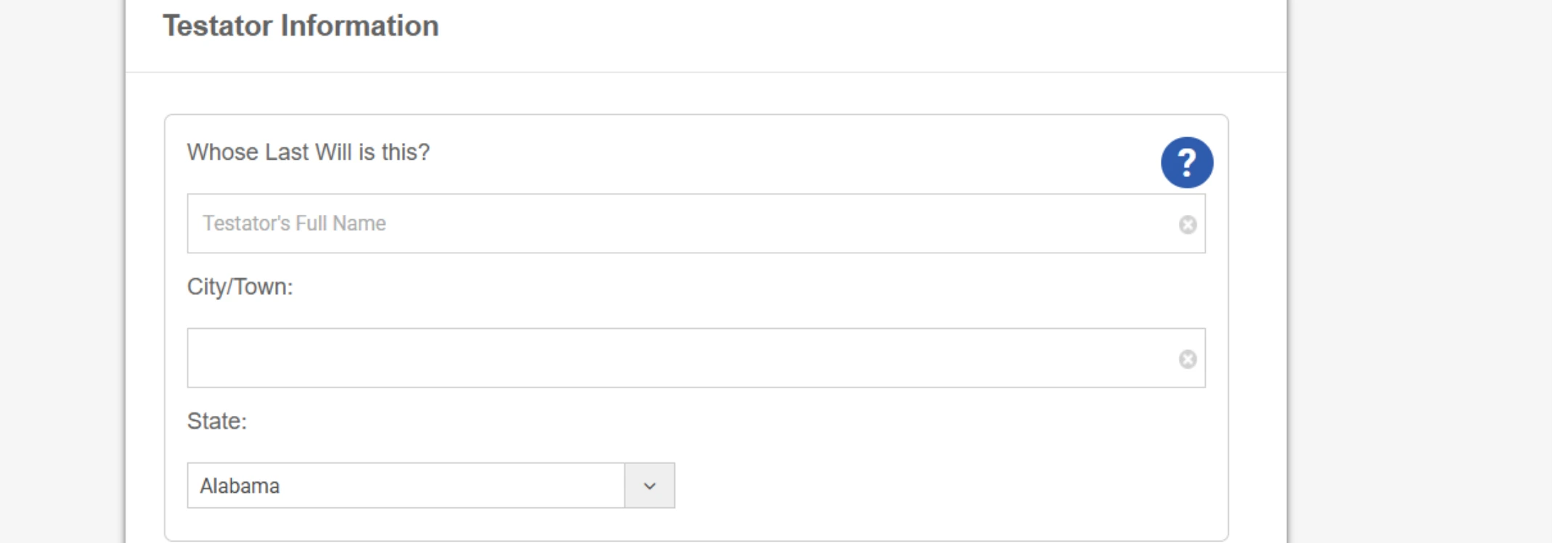
1. Choose Your State to Generate a Compliant Last Will and Testament
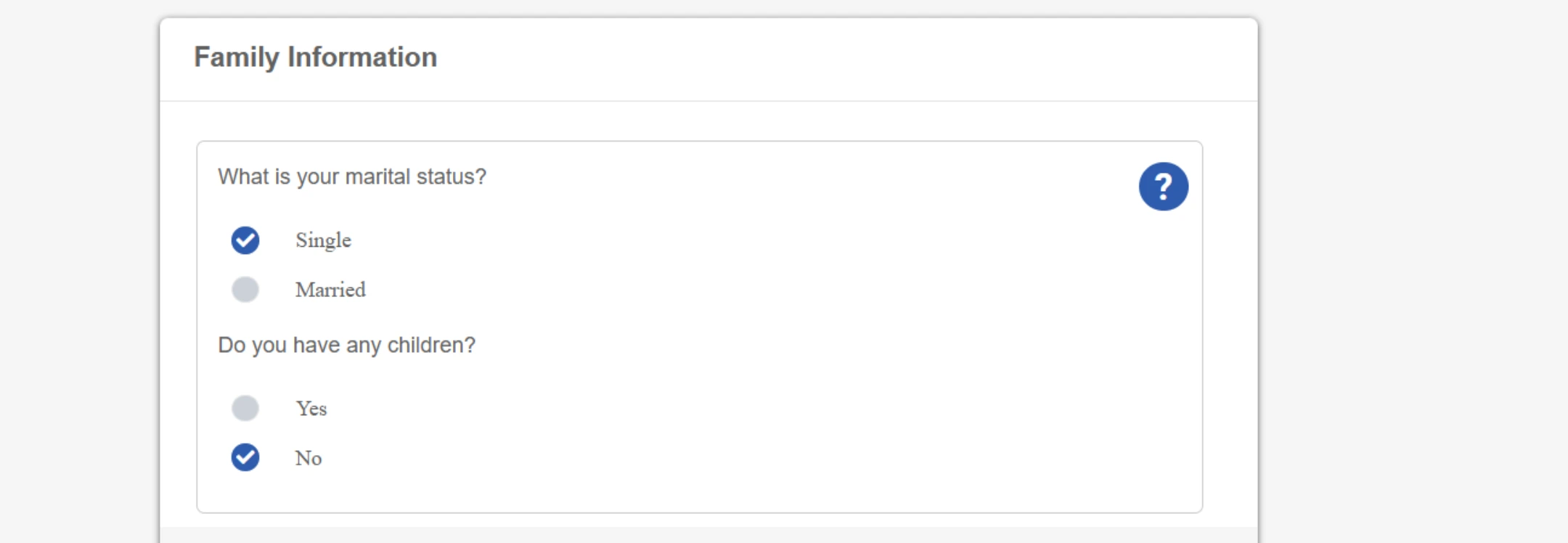
2. Answer a Few Guided Questions
Instead of filling in legal forms from scratch, our platform prompts you with easy-to-understand questions like:
- Do you need to appoint a guardian for children?
- Who will be the executor of your estate?
- Who are your beneficiaries?
- What assets do you want to distribute?
3. Review Your Will
Once you’ve entered your information, the platform will automatically generate a customized, properly formatted last will and testament document. You can review all the details, make edits, and ensure everything looks right before moving forward.
Conclusion
Securing your children's future through proper estate planning requires more than simply completing last will and testament forms or downloading free last will templates. Comprehensive protection involves coordinating guardianship decisions, financial planning, trust structures, and modern considerations like digital asset management to create a complete safety net for your children's well-being.
The investment in proper estate planning provides invaluable peace of mind knowing that your children will be cared for according to your values and provided with the financial resources they need to thrive. While the planning process requires time and careful consideration, the protection it provides for your children's future makes it one of the most important gifts you can give your family.
Regular review and updates of your estate plan ensure it remains current with your family's changing needs and circumstances. As your children grow and your financial situation evolves, your estate plan should adapt to continue providing optimal protection for their future security and success.
Last Will and Testament FAQs
What is a Last Will and Testament?
A Last Will is a legal document that lets you decide how your assets will be distributed after your death. It also allows you to name guardians for minor children and appoint an executor to carry out your wishes.
Who should create a Will?
Anyone over 18 and of sound mind should have a Will, especially if they have dependents, property, or specific wishes for how their estate should be handled.
What’s the difference between a Last Will and a Living Will?
A Last Will deals with asset distribution after death. A Living Will outlines your medical treatment preferences if you become unable to communicate or make decisions.
Do I need a lawyer to create a Will?
Not necessarily. Online tools like Ziji Legal Forms offer valid, lawyer-reviewed templates that meet state legal requirements if properly signed and witnessed.
Where should I store my Will?
Keep it in a safe but accessible place, and make sure your executor knows where it is. Avoid storing it in a locked safe deposit box unless the executor has access.
How often should I update my Will?
Review your Will after any major life event like marriage, divorce, birth of a child, or acquiring significant assets or at least once every 3–5 years.
What jurisdictions can use our Last Will document?
You can use our template to create a legal and valid Last Will document for the following jurisdictions:
| Alabama (AL) | Alaska (AK) | Arizona (AZ) | Arkansas (AR) | California (CA) |
| Colorado (CO) | Connecticut (CT) | Delaware (DE) | District of Columbia (DC) | Florida (FL) |
| Georgia (GA) | Hawaii (HI) | Idaho (ID) | Illinois (IL) | Indiana (IN) |
| Iowa (IA) | Kansas (KS) | Kentucky (KY) | Louisiana (LA) | Maine (ME) |
| Maryland (MD) | Massachusetts (MA) | Michigan (MI) | Minnesota (MN) | Mississippi (MS) |
| Missouri (MO) | Montana (MT) | Nebraska (NE) | Nevada (NV) | New Hampshire (NH) |
| New Jersey (NJ) | New Mexico (NM) | New York (NY) | North Carolina (NC) | North Dakota (ND) |
| Ohio (OH) | Oklahoma (OK) | Oregon (OR) | Pennsylvania (PA) | Rhode Island (RI) |
| South Carolina (SC) | South Dakota (SD) | Tennessee (TN) | Texas (TX) | Utah (UT) |
| Vermont (VT) | Virginia (VA) | Washington (WA) | West Virginia (WV) | Wisconsin (WI) |







 United States
 Canada