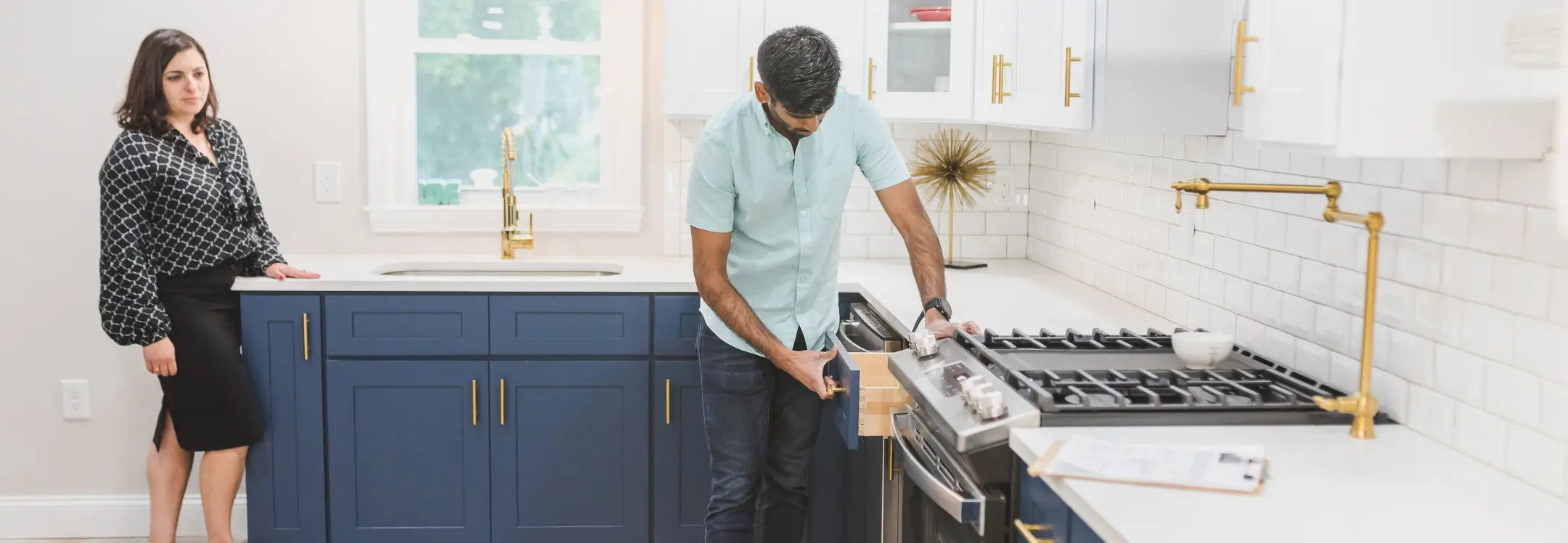
- A Rental Inspection Report documents property condition so landlords and tenants can fairly handle security deposits and repair issues.
- Move in reports set the baseline condition while move out reports capture changes and damage for comparison.
- Using a Rental Inspection Report template promotes consistency, reduces human error, and strengthens legal evidence if a dispute goes to court.
- Online Rental Inspection Report tools make it easier to add photos, signatures, and time stamps and to store records securely.
- With Ziji Legal Forms you can quickly generate a structured rental inspection report that aligns with common United States landlord tenant best practices
What is a Rental Inspection Report
Move in vs move out reports
Why accurate inspection reports matter
Common issues when reports are missing or weak
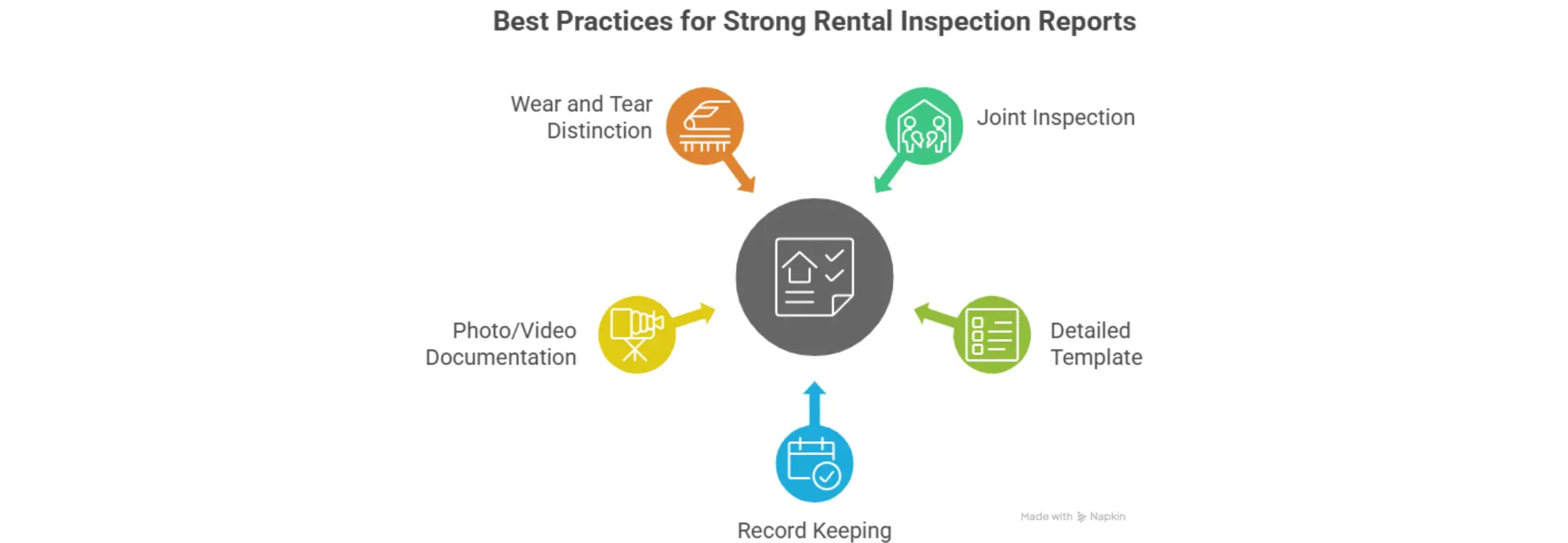
Best practices for strong Rental Inspection Reports
- Inspect jointly whenever possible so both landlord and tenant review each room together and can discuss issues in real time.
- Use a detailed Rental Inspection Report template that lists each room, surface, and system to reduce the risk of skipping items or forgetting to note damage.
- Record dates, names, and signatures for all parties to show who participated and when the inspection occurred.
- Attach dated photos or videos to document important defects and to show scale, location, and severity of the problem.
- Distinguish normal wear and tear from damage in notes so that routine aging is not treated as chargeable misconduct.
Move in report specifics
Move out report specifics
Benefits of using a Rental Inspection Report template
Why an online Rental Inspection Report is even better
How to create a move in and move out Rental Inspection Report with Ziji Legal Forms
1. Choose Template
2. Add Party Details
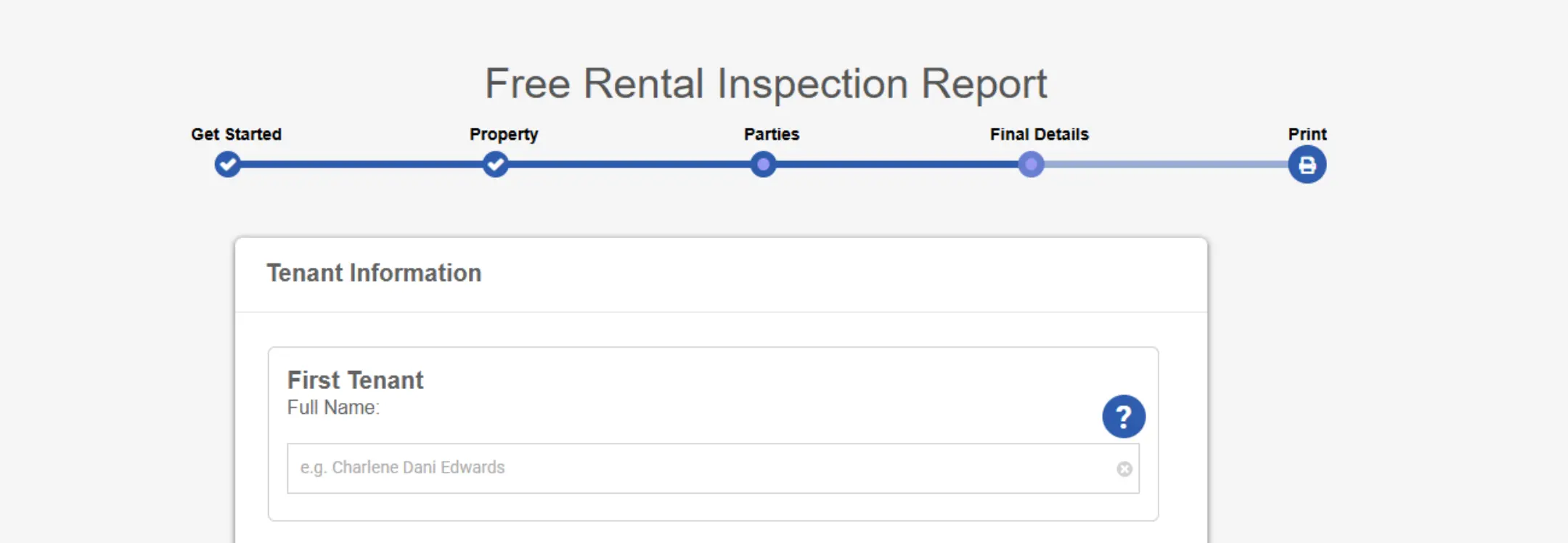
3. Add Property Details
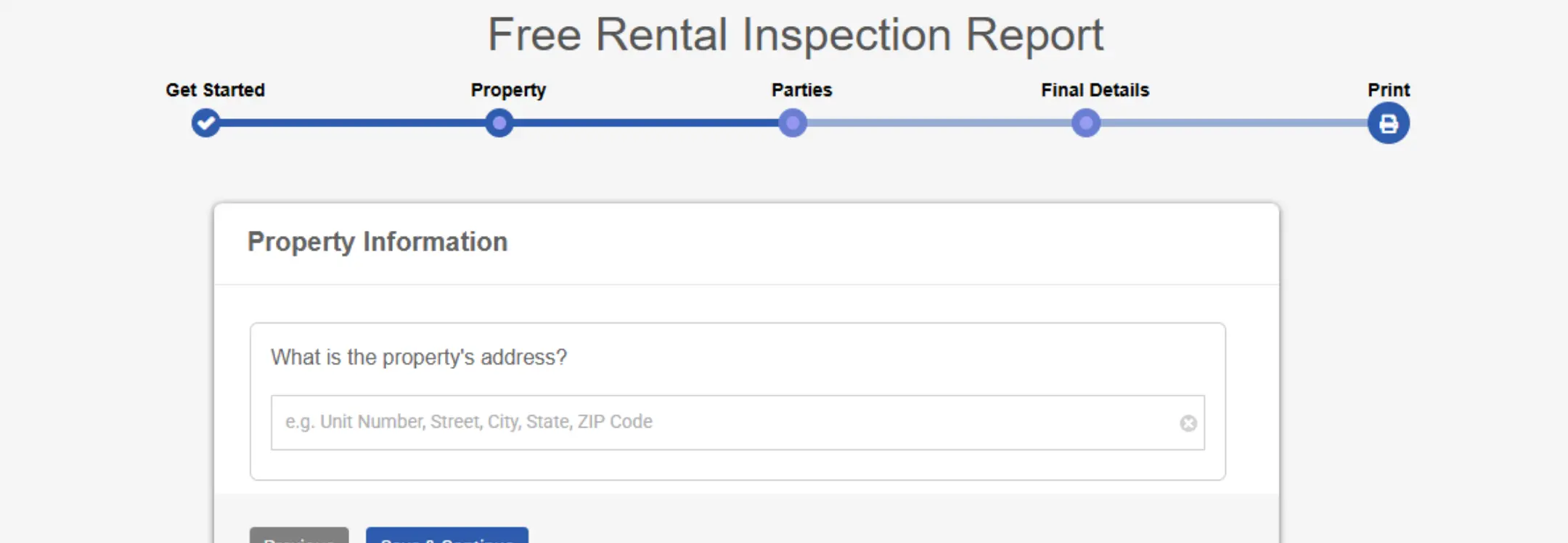
4. Add Final Details
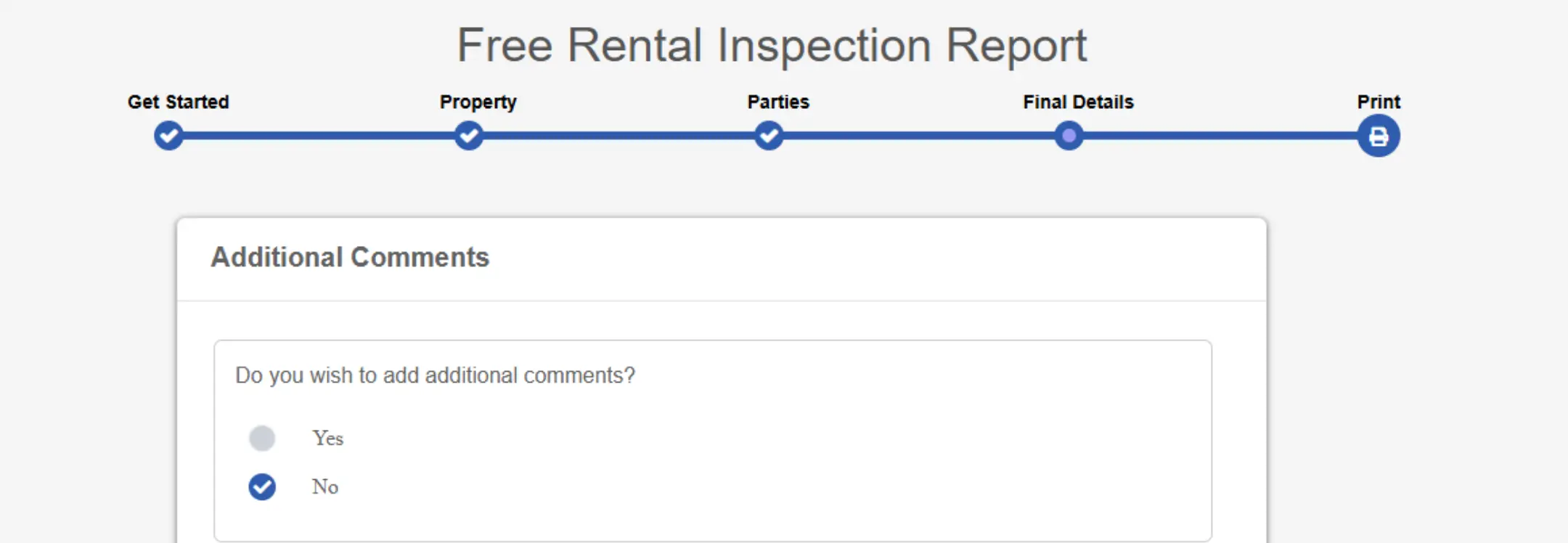
5. Preview and Print
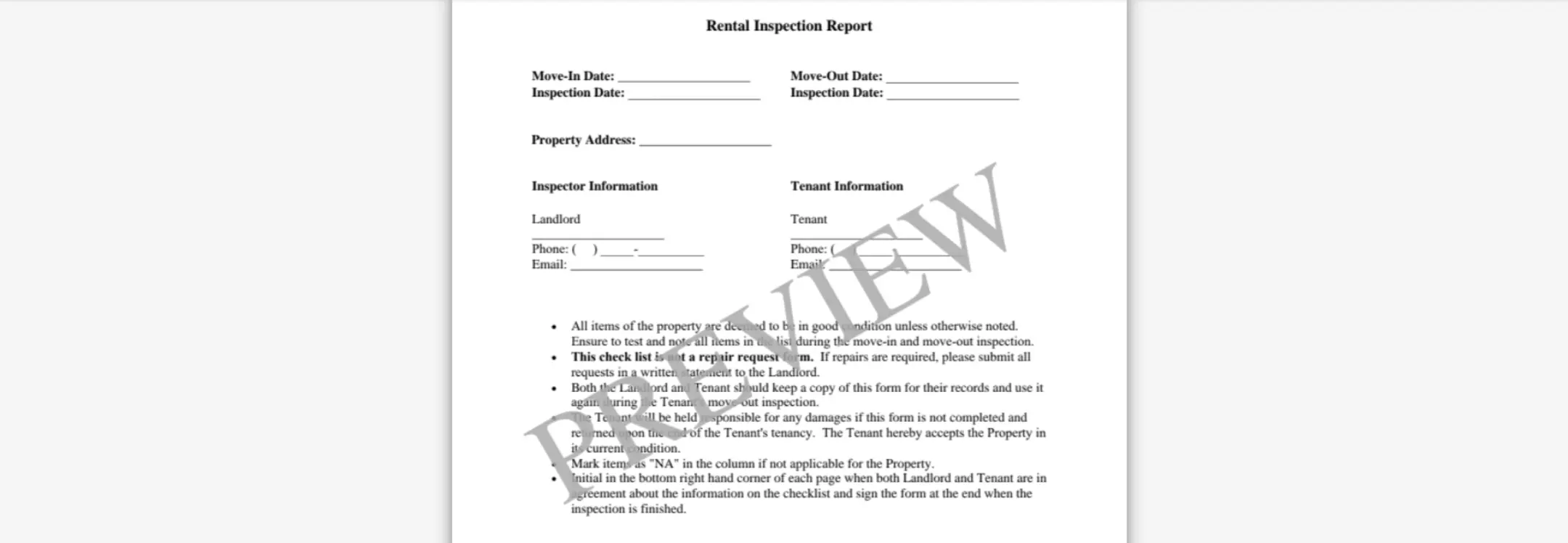
Practical tips for landlords and tenants
When to update or supplement inspection records
Conclusion
Rental Inspection Report FAQs
What is a Rental Inspection Report/Checklist?
A Rental Inspection Report or Property Inspection Checklist is a document used by landlords or property managers to assess and record the condition of a rental property before a tenant moves in and after the tenant moves out. This checklist ensures both parties agree on the property’s physical condition, reducing the likelihood of disputes over security deposits or damage claims when the lease ends. It helps record the condition of every aspect of the rental property, including appliances and fixtures. Any damage, except for normal wear and tear, may be deducted from the tenant’s security deposit, ensuring transparency and accountability for both landlord and tenant.
Why do I need a Rental Inspection Checklist?
A rental inspection checklist protects both landlords and tenants by providing a detailed, written record of the property’s condition. It helps prevent disagreements about property damage, repair responsibilities, and security deposit deductions at the end of the lease. By using a rental property condition checklist, landlords can ensure their property is well-documented, and tenants can ensure fair treatment when it comes to assessing the property’s condition.
How do I use a Rental Inspection Report?
To use a rental inspection report, conduct a thorough walkthrough of the rental property with your tenant before they move in. Document the condition of each room, including walls, flooring, appliances, and fixtures. When the tenant moves out, conduct another inspection and compare the reports to identify any damage or necessary repairs. Using this process ensures both landlords and tenants are on the same page about the property’s condition and reduces the risk of disputes.
What should be included in a Rental Property Inspection Checklist?
Essentially, all appliances and fixtures that are in or on your rental property should be inspected both before the tenant moves in and after they move out. This includes major areas like kitchen appliances, light fixtures, plumbing, heating, cooling systems, and exterior items such as patios and fencing. Each inspection helps document the condition, providing a clear record for any necessary damage claims or security deposit disputes.
Can a Rental Inspection Checklist be used for move-in and move-out inspections?
Yes, a Rental Inspection Checklist is designed to be used for both move-in and move-out inspections. By conducting both inspections, you can track any changes or damage that occurred during the tenant's stay. It also helps in maintaining the condition of the property and ensuring that the security deposit is only used for necessary repairs beyond normal wear and tear.
Is a Rental Inspection Checklist legally required?
While a rental inspection checklist may not be legally required in all locations, it is highly recommended for both landlords and tenants. It creates a formal record of the property’s condition, which can be used in court if disputes arise over damage claims or security deposit deductions. Many landlords and property managers use rental property checklists to ensure they have the necessary documentation to support any claims they make.
How often should I conduct a rental property inspection?
In addition to the move-in and move-out inspections, some landlords conduct regular rental property inspections during the lease term to ensure their property is being properly maintained. These periodic inspections can be scheduled quarterly or annually, depending on your rental agreement. Conducting regular inspections helps keep the property in good shape and may help prevent more significant damage down the road.
Can I customize the Rental Inspection Checklist?
Yes, our DIY Rental Inspection Checklist is fully customizable. You can modify it to fit your specific property’s features. This means you can add or remove sections based on the unique elements of your property, whether it's a single-family home, apartment, or commercial rental unit. Having a flexible property condition checklist allows you to focus on areas that matter most.
Who should use a Rental Inspection Checklist?
Both landlords and tenants can benefit from using a rental inspection checklist. For landlords, it provides a documented record of the property’s condition, helping to avoid disputes over damage or repairs. For tenants, it ensures they won’t be held responsible for pre-existing issues. Using a rental property inspection form protects both parties and creates transparency during the lease period.
How does a Rental Inspection Checklist help with security deposits?
A Rental Inspection Checklist ensures that there is a clear, documented record of the property’s condition at the start and end of a lease. This allows landlords to fairly assess any damage beyond normal wear and tear and deduct only necessary repair costs from the tenant’s security deposit. Tenants also benefit by ensuring they are not charged for damages they didn’t cause.
Can tenants request changes to the Rental Inspection Report?
Yes, tenants should review the inspection report carefully and can request corrections or add notes if they disagree with any findings. It’s important both landlord and tenant agree on the condition to avoid disputes later.
What should I do if damage is found during the move-out inspection?
If damage beyond normal wear and tear is identified, the landlord should document it thoroughly with photos and detailed notes. The landlord may then deduct repair costs from the tenant’s security deposit, providing an itemized list to the tenant as required by local laws.
Are photos or videos necessary during the inspection?
While not always mandatory, taking photos or videos during inspections is strongly recommended. Visual records provide clear, unbiased evidence of the property’s condition and can be crucial if there is a dispute about damage or repairs.
How soon after move-in or move-out should the inspection be completed?
Move-in inspections should ideally be done before the tenant takes possession, and move-out inspections should be completed promptly after the tenant vacates. Prompt inspections ensure the condition is accurately documented while it’s fresh and before any repairs or cleaning take place.
Can the Rental Inspection Checklist be used for furnished properties?
Yes, the checklist can be adapted for furnished rentals by including sections to assess the condition of furniture and any additional items provided with the property. Documenting the state of furnishings helps protect both landlord and tenant during the lease term.
What jurisdictions can use our Rental Inspection Checklist?
You can use our template to create a legal and valid Rental Inspection Checklist for the following jurisdictions:
Alabama Alaska Arizona Arkansas California Colorado Connecticut Delaware District of Columbia Florida Georgia Hawaii Idaho Illinois Indiana Iowa Kansas Kentucky Louisiana Maine Maryland Massachusetts Michigan Minnesota Mississippi Missouri Montana Nebraska Nevada New Hampshire New Jersey New Mexico New York North Carolina North Dakota Ohio Oklahoma Oregon Pennsylvania Rhode Island South Carolina South Dakota Tennessee Texas Utah Vermont Virginia Washington West Virginia Wisconsin Wyoming | AL AK AZ AR CA CO CT DE DC FL GA HI ID IL IN IA KS KY LA ME MD MA MI MN MS MO MT NE NV NH NJ NM NY NC ND OH OK OR PA RI SC SD TN TX UT VT VA WA WV WI WY |
Create your
Rental Inspection Report
in minutes
Get Started For Free Related Real Estate Blogs
If our legal documents helped you today, we’d truly appreciate your feedback.
Your review helps others make informed decisions and helps us improve our platform for everyone.

 United States
 Canada