TL;DR- Non compete clauses prevent employees from working for competitors or starting competing businesses for specified periods and geographic areas after employment ends, protecting competitive advantages
- Non solicitation clauses prevent former employees from recruiting former colleagues or soliciting clients they worked with, focusing on protecting business relationships rather than restricting all employment
- Confidentiality clauses protect trade secrets, proprietary information, client lists, and business strategies, remaining the strongest and most universally enforceable protective provision in employment contracts
- Non compete clauses must be reasonable in duration, geography, and scope or courts may strike them down as overly restrictive, while confidentiality clauses are typically enforceable if narrowly focused on actual secrets
- Non solicitation clauses are often more enforceable than non compete clauses because they restrict specific harmful conduct rather than limiting where employees can work overall
- Ziji Legal Forms provides employment contract templates with customizable non compete, non solicitation, and confidentiality sections featuring lawyer-reviewed language appropriate for different roles and industries
Introduction: Why Protective Clauses Matter in Modern Employment
Employees gain valuable knowledge about business operations, client relationships, competitive strategies, and proprietary processes during their tenure. When employees leave, they take this knowledge with them, creating risks that departing talent will use insider information to benefit competitors or start competing businesses.
Non compete, non solicitation, and confidentiality clauses protect employer interests by establishing legal boundaries around how former employees can use knowledge gained during employment. Clear protective clauses help safeguard intellectual property, client relationships, and competitive advantages while establishing enforceability if disputes arise.
Understanding what each clause does, when to use it, and how to draft enforceable versions protects business interests while respecting reasonable employee mobility rights.
What a Non Compete Clause Is
Definition and Core Purpose
A non compete clause prohibits employees from working for direct competitors or starting competing businesses for specified time periods and geographic areas after employment ends. These clauses protect employer competitive advantage by limiting former employees' ability to immediately apply insider knowledge for competitors' benefit.
Non compete provisions acknowledge that employees gain valuable knowledge during employment that gives competitors unfair advantage if used immediately after departure. The clause seeks to provide a transition period during which competitive advantages remain protected.
Scope, Duration, and Geographic Limitations
Enforceable non compete clauses restrict specific types of competitive activity rather than broadly prohibiting all employment. Restrictions typically specify what businesses or activities are considered competitive, limiting prohibitions to direct competitors rather than any business in the same industry.
Time restrictions typically range from six months to two years, with longer periods becoming increasingly difficult to enforce. Geographic scope must be limited to areas where the employer actually does business rather than unlimited worldwide restrictions.
Overly broad restrictions on duration, geography, or competitive activity may be struck down entirely by courts, making reasonable limitations essential for enforceability.
Legitimate Business Interests
Non compete clauses protect legitimate employer interests including trade secrets, confidential business information, substantial relationships with prospective customers, and unique business methods or processes. Courts are more likely to enforce non competes protecting identifiable legitimate interests than those appearing to be general competitive restrictions.
The clause should clearly articulate what legitimate interests it protects, connecting restrictions to actual business assets requiring protection.
When Employers Should Use a Non Compete Clause
Roles with Access to Trade Secrets
Employees with access to trade secrets, proprietary technologies, product development information, or strategic business plans warrant non compete protection. Research and development positions, product management, and technical leadership roles typically justify non compete provisions.
These employees could seriously harm employer competitive advantage by immediately joining competitors and sharing insider product development knowledge, pricing strategies, or technical approaches.
Senior Management and Sales Leadership
Senior management positions involving strategic planning, financial decision making, or business direction warrant non compete protection. Sales leadership with knowledge of pricing strategies, customer lists, and sales methodologies presents substantial competitive risk.
These roles benefit from non compete clauses preventing immediate transition to competitors with full knowledge of employer strategies.
Technical and Product Development Teams
Software developers, engineers, product designers, and technical specialists working on proprietary systems justify non compete clauses. The specialized knowledge these employees develop regarding technical approaches, system architecture, and development processes has significant competitive value.
Non competes help protect this intellectual property and technical advantage from immediate competitive use.
Situations Requiring Caution
Courts scrutinize overly broad non compete clauses and may strike them down entirely if duration, geography, or scope seems excessive. Regional or national businesses should limit geographic scope to areas where they operate rather than imposing worldwide restrictions.
Duration should match the time needed to protect legitimate interests rather than extending unnecessarily. One to two years represents typical enforceability ranges, though shorter periods may be appropriate for rapidly evolving industries.
What a Non Solicitation Clause Is
Definition and Primary Focus
A non solicitation clause prevents former employees from recruiting or soliciting current employees or established clients after employment ends. Unlike non competes that restrict where employees can work, non solicitation clauses focus specifically on preventing recruitment and client poaching.
These clauses protect business relationships and team stability by preventing departing employees from immediately recruiting colleagues they worked with or soliciting clients they served.
Distinguishing Non Solicitation from Non Compete
Non solicitation is narrower than non compete because it does not restrict where the employee works. A departing employee can join competitors or start their own business but cannot recruit the employer's current staff or solicit customers they previously served.
This narrower scope makes non solicitation clauses more palatable to employees and generally more enforceable by courts because they restrict specific harmful conduct rather than limiting overall employment opportunities.
Scope and Time Limitations
Non solicitation clauses typically specify time periods ranging from one to three years after employment ends. Geographic scope is often less relevant because solicitation can occur anywhere through electronic communications.
The clause should specify whether restrictions apply to all employees and customers or only to those the departing employee worked with directly. Broader restrictions applying to all company customers become less enforceable.
What is a Confidentiality Clause
Definition and Comprehensive Scope
A confidentiality clause, also called a nondisclosure agreement or NDA, protects confidential business information, trade secrets, client lists, internal processes, financial data, strategic plans, and other proprietary information from unauthorized disclosure.
Unlike non competes focusing on competitive restrictions or non solicitation limiting recruitment, confidentiality clauses protect information itself from misuse. These clauses apply during employment and continue after employment ends.
What Confidentiality Clauses Protect
Confidentiality provisions protect trade secrets like formulas, processes, or technologies providing competitive advantage. Client lists, customer information, and business contact details receive protection preventing disclosure to competitors.
Financial data, pricing information, profit margins, and business strategies warrant confidentiality protection. Internal systems, software code, databases, and technical documentation also receive standard confidentiality coverage.
Duration and Continuing Obligations
Confidentiality duties typically continue indefinitely for true trade secrets and confidential information. For less sensitive confidential information, restrictions might extend three to five years after employment ends.
Some information rightfully becomes public knowledge over time, and reasonable confidentiality clauses acknowledge that information loses confidential status when it becomes publicly available through no breach of the agreement.
When Employers Should Use a Confidentiality Clause
Nearly All Employment Situations Benefit
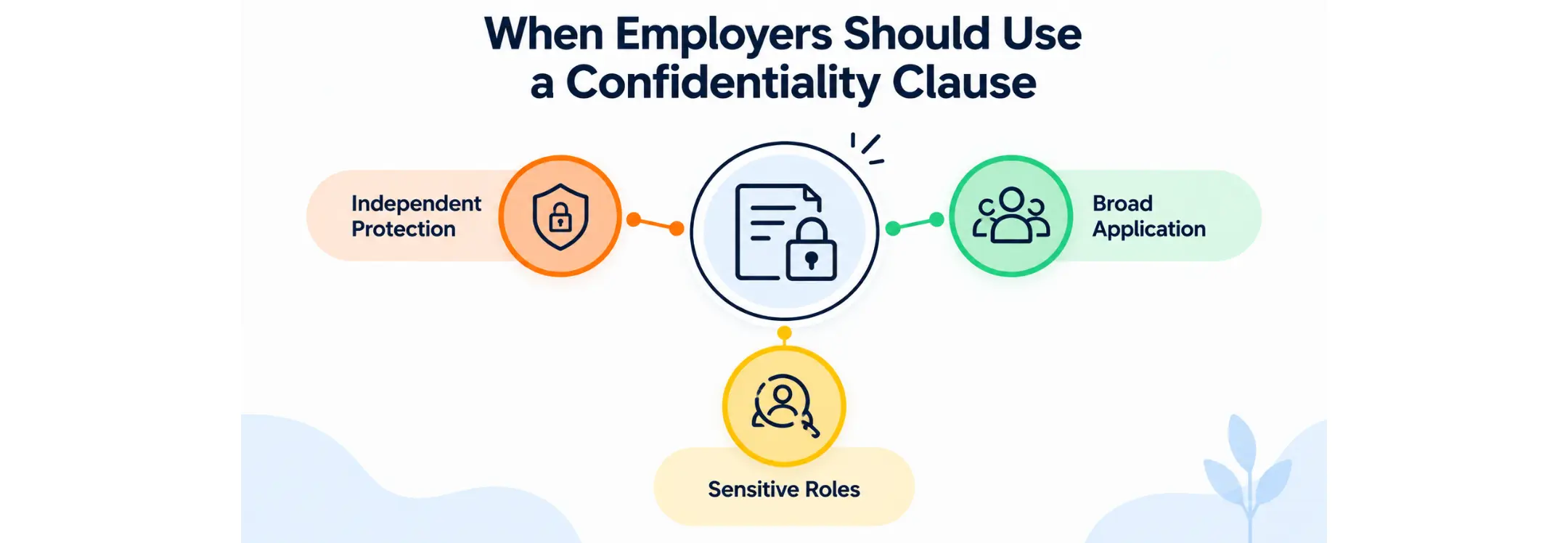
Confidentiality clauses should be included in virtually all employment agreements because virtually all employers have information warranting protection. Even simple businesses have customer lists, pricing information, and operational details warranting protection.
The cost of including confidentiality clauses is minimal while the protection value is substantial across virtually all industries and business sizes.
Especially Important for Sensitive Roles
Employees with access to trade secrets, proprietary technology, source code, customer databases, or financial information absolutely require confidentiality clauses. Technology companies, pharmaceutical firms, financial institutions, and professional services all require strong confidentiality protection.
These industries face substantial competitive risk if confidential information is disclosed to competitors or misused by departing employees.
Protection Even Without Non Compete or Non Solicitation
Confidentiality clauses provide essential protection even if employers choose not to include non compete or non solicitation restrictions. An employee can work for competitors without breaching non compete clauses but cannot disclose trade secrets without violating confidentiality provisions.
Confidentiality clauses alone often provide sufficient protection in situations where broader restrictions seem unreasonable or unenforceable.
Key Differences Between These Three Clauses
What Each Clause Protects
Non compete clauses protect competitive advantage by restricting where employees can work. Non solicitation clauses protect specific business relationships by restricting recruitment and client solicitation. Confidentiality clauses protect information itself from unauthorized disclosure or misuse.
These different focuses mean the clauses address different risks and may be used individually or in combination depending on employer needs.
Enforceability Considerations
Non compete clauses face the most enforceability challenges because courts view them as restricting employment opportunities. Many jurisdictions impose strict requirements for non competes to be enforceable, and some jurisdictions limit or prohibit non competes entirely.
Non solicitation clauses are generally more enforceable because they restrict specific conduct rather than limiting overall employment. Confidentiality clauses are typically the most enforceable because they protect information from misuse and do not restrict employment opportunities.
Level of Employee Mobility Restriction
Non compete clauses most significantly restrict employee mobility by preventing work with competitors. Non solicitation clauses minimally restrict mobility, only preventing recruitment and client solicitation while allowing work for competitors.
Confidentiality clauses do not restrict mobility at all, only preventing disclosure of confidential information. An employee can work for competitors and perform competitive activities without violating confidentiality clauses if no confidential information is disclosed or misused.
When to Use Individual Clauses Versus Combinations
Use non competes for senior positions and roles with substantial trade secret access where competitive restriction is appropriate. Use non solicitation for sales, account management, and client-facing roles where relationship protection matters most.
Use confidentiality clauses universally for all employees to protect information. Combine multiple clauses for high-value positions where comprehensive protection is justified and the role's sensitivity warrants broader restrictions.
Legal and Compliance Considerations
Enforceability Variations Across Jurisdictions
Some states strictly limit or prohibit non compete clauses, viewing them as excessive restrictions on employee mobility. California effectively prohibits most non competes, while other jurisdictions allow them if properly drafted.
Employers must understand their state's specific requirements before including non compete clauses. Confidentiality clauses remain enforceable in virtually all jurisdictions when reasonably drafted.
Reasonableness Requirements
Courts evaluate non competes and non solicitation clauses based on whether restrictions are reasonable in scope, duration, and geography. Restrictions must be no broader than necessary to protect legitimate employer interests.
A non compete restricting employment worldwide for five years would likely be struck down as excessive. More reasonable restrictions limiting competition to employer's actual business areas for reasonable time periods are more likely to survive court review.
Overly Aggressive Restrictions
Courts may strike down entire clauses if restrictions seem overly aggressive or not narrowly tailored to protect legitimate interests. Some jurisdictions allow partial enforcement, modifying unreasonable terms to make them enforceable.
Starting with reasonable restrictions prevents this problem and ensures enforceability if restrictions are challenged.
Confidentiality Clause Enforceability
Confidentiality clauses remain valid and enforceable when narrowly focused on protecting actual trade secrets and legitimate confidential information. Overly broad confidentiality provisions attempting to protect information that is not actually confidential may be unenforceable.
Clear definitions of what constitutes confidential information and reasonable procedures for maintaining confidentiality improve enforceability.
How to Create These Clauses Using Ziji Legal Forms
1. Choose template
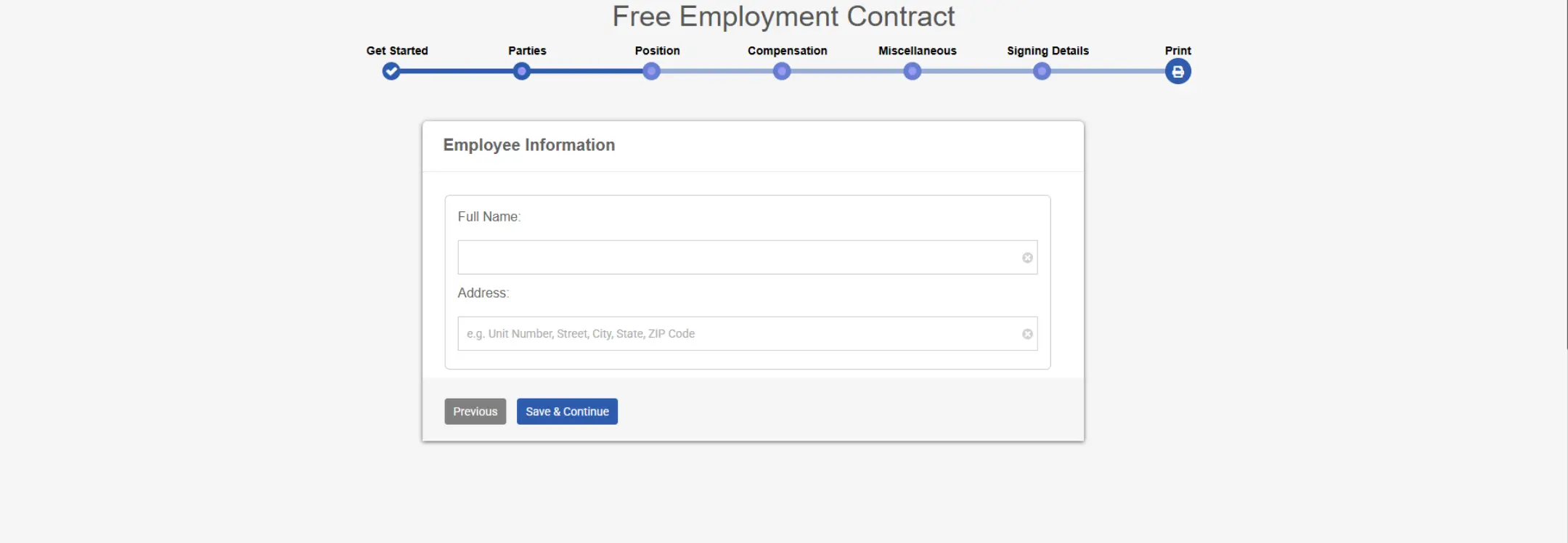
2. Add Parties Details
Enter the employer name, employee name, and position information to clearly identify the parties and role subject to protective clauses.
3. Add Position Details
Specify the job title, key responsibilities, and access to sensitive information to justify which protective clauses are appropriate for the position.
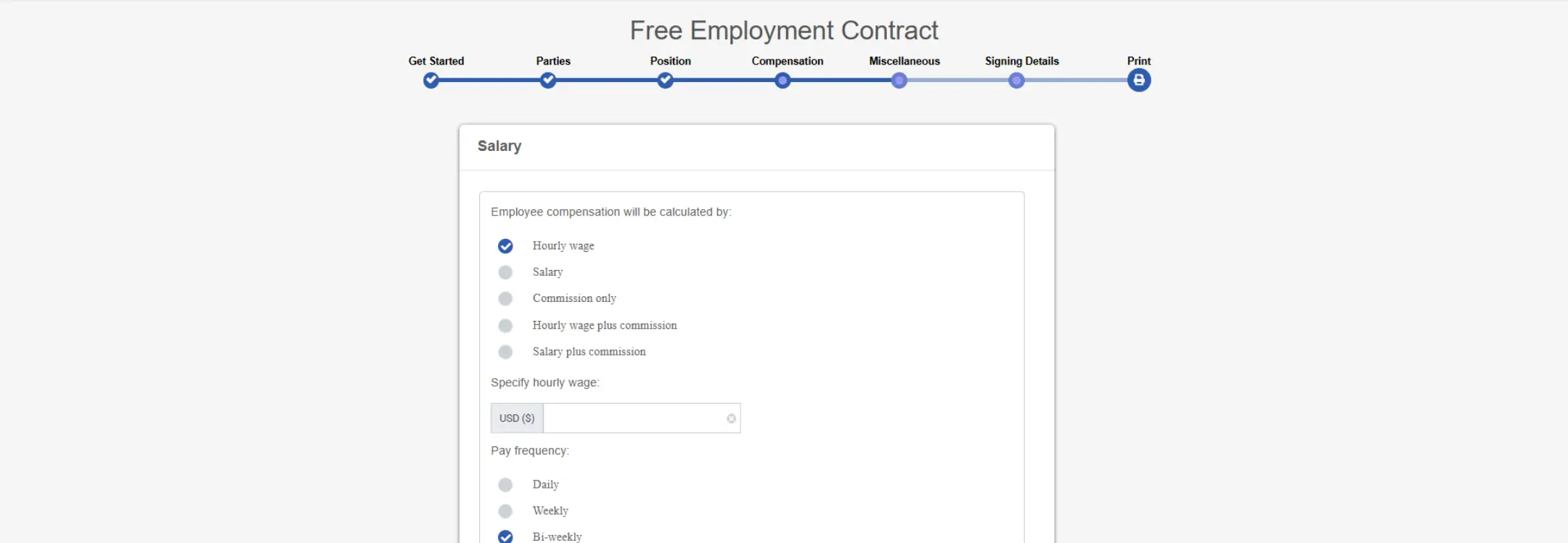
4. Add Compensation Details
Specify wages and benefits, then customize protective clauses section to include appropriate non compete, non solicitation, and confidentiality provisions for the role's sensitivity level.
5. Preview and print
Review the completed contract thoroughly to verify all clauses are clearly written and reasonable in scope, duration, and geography, then download in PDF or Word format for signature by both parties.
Template Features Supporting Clause Customization
Ziji templates include pre-drafted non compete, non solicitation, and confidentiality language that can be customized for specific roles. The templates allow adjustment of duration, geographic scope, and activity restrictions to match legitimate employer interests.
Clear, lawyer-reviewed language in Ziji templates improves enforceability compared to generic language or overly aggressive restrictions. Guidance features help employers select which clauses are appropriate for specific positions.
Conclusion: Use Protective Clauses Strategically to Safeguard Business Interests
Non compete, non solicitation, and confidentiality clauses strengthen employment contracts by establishing legal boundaries around how former employees can use knowledge gained during employment. Using Ziji Legal Forms' employment contract templates with customizable protective clause sections ensures proper drafting, reasonable restrictions, and legal compliance across different roles and industries.
Employment Contract FAQs
1. Why is an Employment Contract important?
It establishes clear expectations regarding job duties, compensation, workplace policies, and the responsibilities of both parties.
2. When should an Employment Contract be used?
An Employment Contract should be used whenever a business hires an employee for full-time, part-time, temporary, or permanent work.
3. What's the difference between an Employment Contract and an Independent Contractor Agreement?
Employment Contracts are designed for employees, while Independent Contractor Agreements are intended for self-employed service providers.
4. Are verbal Employment Contracts enough?
While verbal agreements may be enforceable in some cases, a written contract offers much stronger legal protection.
5. Can both parties revise the Employment Contract?
Yes. The agreement may be amended whenever both parties agree to the changes in writing.
6. In which jurisdictions can I use the Ziji Legal Forms Employment Contract?
The Ziji Legal Forms Employment Contract is designed for use in every jurisdiction across the United States.
Author
Mandar Sonavane
|
Legal Content Writer at Ziji Legal Forms Inc.
Symbiosis International University
Mandar is a legal content writer specializing in the development of clear, practical, and easy-to-understand legal resources. With a strong focus on legal research, content creation, and plain-language writing, he works closely with our legal professionals to ensure that legal documents and educational materials are accurate, accessible, and user-friendly. At Ziji Legal Forms Inc., Mandar is responsible for researching legal topics, drafting and reviewing content, and helping transform complex legal concepts into straightforward guidance that empowers individuals and businesses to confidently navigate their legal needs.
Reviewed By
Histon Shek
|
General Counsel and Co-Founder at Ziji Legal Forms Inc.
University of Alberta
Histon Shek was called to the Alberta Bar in 2006. He holds a BA in Sociology and Philosophy and an LLB from the University of Alberta. As co-founder of Ziji Legal Forms Inc., he focuses on making legal documents accessible and affordable, overseeing legal integrity and content development.






 United States
 Canada