TL;DR- Your last will and testament is not a "set it and forget it" document and requires regular updates as your life circumstances change
- Major life events requiring will updates include marriage, divorce, birth of children, death of beneficiaries, relocating to new states, and significant financial changes
- Review your will every 3-5 years or immediately after significant life events to ensure it reflects your current wishes and circumstances
- Use a codicil for minor changes or create a new will for major updates, ensuring proper signing, witnessing, and state compliance
- Modern considerations like digital assets, cryptocurrency, and changing tax laws also necessitate regular will reviews and updates
- Ziji Legal Forms provides customizable last will and testament templates that can help you create legally valid Wills in minutes
Introduction
Your last will and testament represents far more than a one-time legal formality. This critical document must evolve alongside your life, reflecting changes in your family structure, financial situation, and personal wishes. Treating your will as a static document can create serious problems for your loved ones when they need it most.
The risks of maintaining an outdated will extend beyond simple inconvenience. Wrong beneficiaries may receive assets intended for others, creating family disputes and potential legal challenges. Probate proceedings can become complicated when executors named in your will are no longer available or appropriate for the role. Children may lack proper guardianship provisions, and valuable assets might be distributed according to outdated intentions rather than your current preferences.
Understanding when and why to update your will ensures your final wishes are honored while protecting your family from unnecessary complications during an already difficult time. Regular reviews and timely updates transform your will from a forgotten document into a living reflection of your current life and values.
Major Life Events That Require Updating Your Will
Certain life events fundamentally alter your family structure, financial obligations, or legal responsibilities in ways that make will updates not just advisable but essential for proper estate planning.
Marriage or Divorce
Marriage brings immediate changes to your legal obligations and inheritance rights that require prompt will updates. Many states automatically revoke portions of existing wills upon marriage, particularly if the new spouse isn't mentioned in the document. Adding your spouse as a beneficiary, updating executor designations, and revising guardianship provisions for any children become immediate priorities.
Divorce proceedings trigger equally important updates as you'll likely want to remove your former spouse from beneficiary designations and executor roles. While some states automatically void provisions for divorced spouses, relying on automatic revocation can create ambiguity. Explicitly updating your last will and testament template ensures clear intentions and prevents your assets from accidentally going to unintended recipients.
Remarriage situations often involve complex blended families requiring careful consideration of children from previous relationships, step-children, and new spouse rights. Balancing these competing interests requires thoughtful will drafting that addresses everyone's needs while reflecting your current family priorities.
Birth or Adoption of Children and Grandchildren
New children fundamentally change your estate planning priorities, requiring immediate will updates to include guardianship provisions, inheritance allocations, and educational funding considerations. Without prompt updates, newly born or adopted children may be inadvertently excluded from your estate distribution.
Guardianship designations become critically important when minor children are involved. Your will should name primary and backup guardians who share your values and can provide appropriate care. Include detailed instructions about your preferences for the children's upbringing, education, and religious instruction to guide the guardians' decisions.
Grandchildren considerations may prompt will updates even if your own children are adults. Many grandparents want to provide educational funding, establish trust arrangements, or ensure grandchildren receive specific family heirlooms or sentimental items. These provisions require explicit inclusion in updated will documents.
Moving to a New State
State law variations can significantly impact your will's validity and effectiveness when you relocate. Different states have varying requirements for will execution, witness procedures, executor eligibility, and spousal inheritance rights that may affect your existing document's enforceability. For example some states do not recognize hand written holographic wills. So while generally speaking, your will stays valid as long as it was valid in the state that it was created in, it is prudent to review your estate plans and update it.
Executor eligibility rules differ between states, with some requiring executors to be state residents or imposing additional requirements on out-of-state executors. If your chosen executor lives in your former state, they may need to appoint local co-executors or meet bonding requirements that could complicate estate administration.
Community property considerations become important when moving between community property and common law states. These different property ownership systems can affect how your assets are treated during estate distribution, potentially requiring will modifications to achieve your intended results.
Significant Financial Changes
Substantial wealth increases from inheritance, business success, or investment gains may trigger estate tax considerations that require sophisticated planning strategies. Your simple will might need updating to include trust provisions, charitable giving arrangements, or other tax-minimization techniques.
Asset acquisitions such as real estate, business ownership, or valuable collections should be explicitly addressed in your will to ensure proper distribution. New assets may require specific handling instructions or professional management that your current will doesn't contemplate.
Debt considerations also require attention, as significant new obligations can affect your estate's ability to fulfill bequests. Your will should address how debts will be handled and whether specific assets should be used for debt payment before distribution to beneficiaries.
Other Situations to Revisit Your Will
Beyond major life events, several other circumstances should prompt careful review and potential updates to your last will and testament documents.
Changes in Tax Laws and Estate Laws
Federal tax law modifications can significantly impact estate planning strategies, particularly regarding estate tax exemptions, gift tax rules, and generation-skipping transfer taxes. Recent years have seen substantial changes in these areas that may affect your estate's tax obligations and distribution strategies.
State law changes regarding inheritance taxes, probate procedures, or will requirements can impact your estate plan's effectiveness. Regular reviews with estate planning professionals help ensure your will remains compliant with current legal requirements and takes advantage of beneficial law changes.
Charitable giving opportunities may arise from tax law changes that make certain charitable strategies more attractive. Updated wills can incorporate these strategies while supporting causes important to you and providing tax benefits for your estate.
Digital Assets and Modern Considerations
Cryptocurrency holdings have become increasingly common and valuable, requiring specific provisions in your will for access and distribution. Unlike traditional assets, cryptocurrency requires special handling for wallet access, private key management, and transfer procedures that standard will language may not address adequately.
Online accounts and digital assets including social media profiles, email accounts, cloud storage, and digital content libraries need explicit provisions for access and management. Without clear instructions, executors may struggle to access or manage these assets, potentially losing valuable information or content.
Intellectual property rights for digital content, online businesses, or creative works require specific attention in modern wills. These assets may continue generating income after your death, requiring management instructions and distribution provisions that reflect their unique characteristics.
Relationship Changes
Family estrangement situations may prompt will updates to exclude individuals who were previously included as beneficiaries. Clear documentation of your intentions helps prevent legal challenges from disinherited family members who might claim oversight or mistake.
Reconciliation circumstances might lead to reinstating previously excluded family members or updating provisions to reflect renewed relationships. These sensitive situations require careful consideration and often benefit from family discussions about your intentions.
Blended family dynamics continue evolving long after remarriage, as step-relationships develop and change over time. Regular will reviews ensure your document reflects current family relationships and provides appropriately for all family members according to your current wishes.
How Often Should You Review Your Will?
Regular review schedules help ensure your will remains current and effective. Estate planning professionals generally recommend comprehensive will reviews every three to five years, even when no major life events have occurred, to address gradual changes in circumstances or legal requirements.
Accelerated review needs apply when life circumstances are changing rapidly, such as during business ownership transitions, health challenges, or major family changes. More frequent reviews ensure your will keeps pace with evolving situations that could affect estate planning needs. Self-assessment considerations can help determine when will reviews are needed. Questions about whether your current beneficiaries still reflect your wishes, whether your executor choices remain appropriate, and whether your asset distribution plans align with current values can guide review timing decisions.
Quick Review Checklist
Personal information accuracy should be verified regularly, including names, addresses, and contact information for all parties mentioned in your will. Changes in beneficiary circumstances, such as marriage, divorce, or relocation, should be noted and addressed.
Asset and beneficiary alignment requires checking whether your current assets match those described in your will and whether beneficiary designations reflect your current intentions. New assets should be explicitly included, and outdated references should be removed or updated.
Executor and guardian suitability needs regular evaluation to ensure your chosen individuals remain appropriate for their designated roles. Consider their availability, health, financial stability, and continued willingness to serve in these important positions.
How to Update Your Will Correctly
Codicil versus new will decisions depend on the scope and complexity of changes needed. Minor modifications like changing an executor or adding a small bequest can often be addressed through codicils, while major changes typically warrant creating entirely new wills for clarity and completeness.
Codicil advantages include lower cost and faster execution for simple changes. Codicils work well for single modifications that don't affect other will provisions, such as updating contact information or making minor bequest adjustments.
New will benefits include comprehensive updates that ensure internal consistency and eliminate potential conflicts between original will provisions and multiple amendments. Complex changes involving multiple provisions typically benefit from complete will replacement rather than layered amendments. However, with the affordability of online wills creation at Ziji Legal Forms, updating your will to reflect changing life circumstances is no longer a financial burden and with the ease of use, it makes sense to create and update your will to protect your legacy.
Legal Requirements and Compliance
Proper execution procedures must be followed regardless of whether you create a codicil or new will. This includes appropriate signing ceremonies with required witnesses, proper dating and identification of documents, and compliance with state-specific legal requirements.
Witness and notarization requirements vary by state but typically require at least two competent witnesses who are not beneficiaries. Some states also require or recommend notarization for added legal protection. Understanding your state's specific requirements ensures your updates will be legally valid.
Document storage and communication considerations include safely storing original documents, providing copies to executors and key family members, and ensuring relevant parties know about updates. Proper documentation management prevents confusion and ensures your updated will can be located when needed.
Avoiding Common Update
Mistakes can invalidate will updates if legal requirements aren't properly met. While simple changes might seem straightforward, improper execution can create legal problems that negate your intended updates. Professional assistance often provides valuable protection against these risks.
Coordination issues between different estate planning documents can create conflicts if wills, trusts, and beneficiary designations aren't properly aligned. Comprehensive updates should address all related documents to ensure consistency across your entire estate plan.
Communication oversights occur when family members or executors aren't informed about will changes. While you're not required to share will contents, informing key parties about updates can prevent surprises and misunderstandings during estate administration.
How to Make Create Your Will with Ziji Legal Forms
Professional platforms like Ziji Legal Forms provide accessible, reliable tools for creating last will forms that reflect your evolving circumstances and legal requirements.
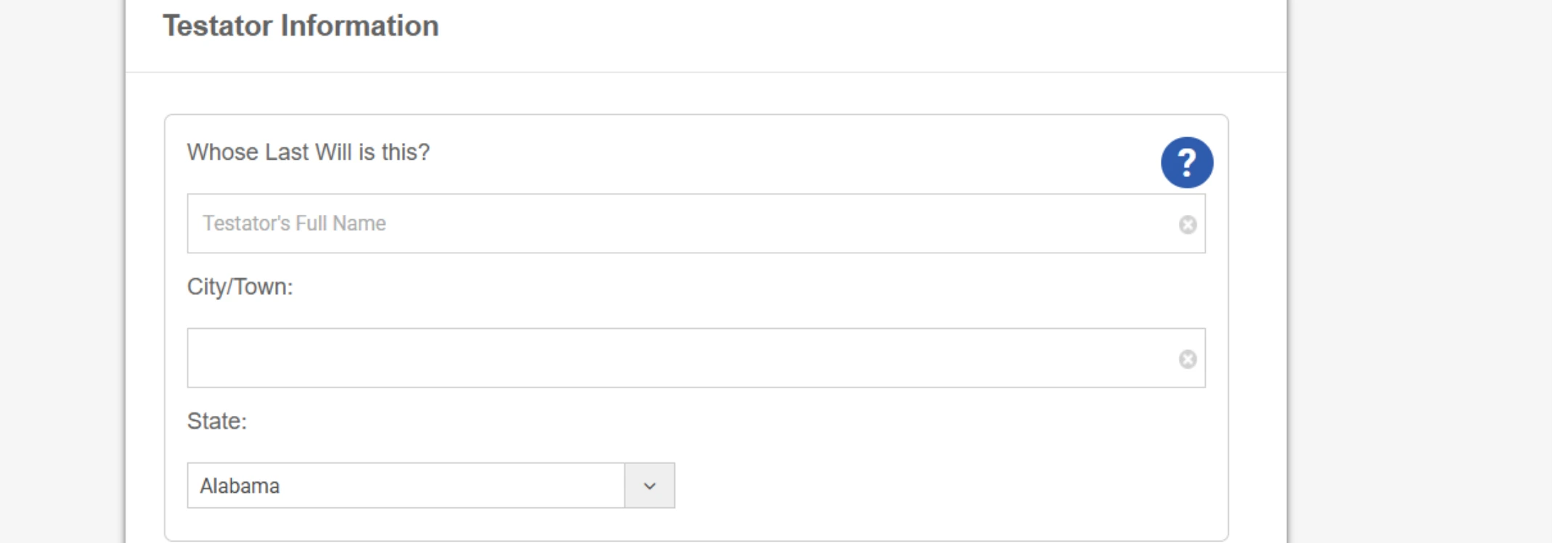
1. State Select
Visit Ziji Legal Forms, select the Last Will and Testament template and click on "Create Document". Choose your state to generate a compliant last will and testament.
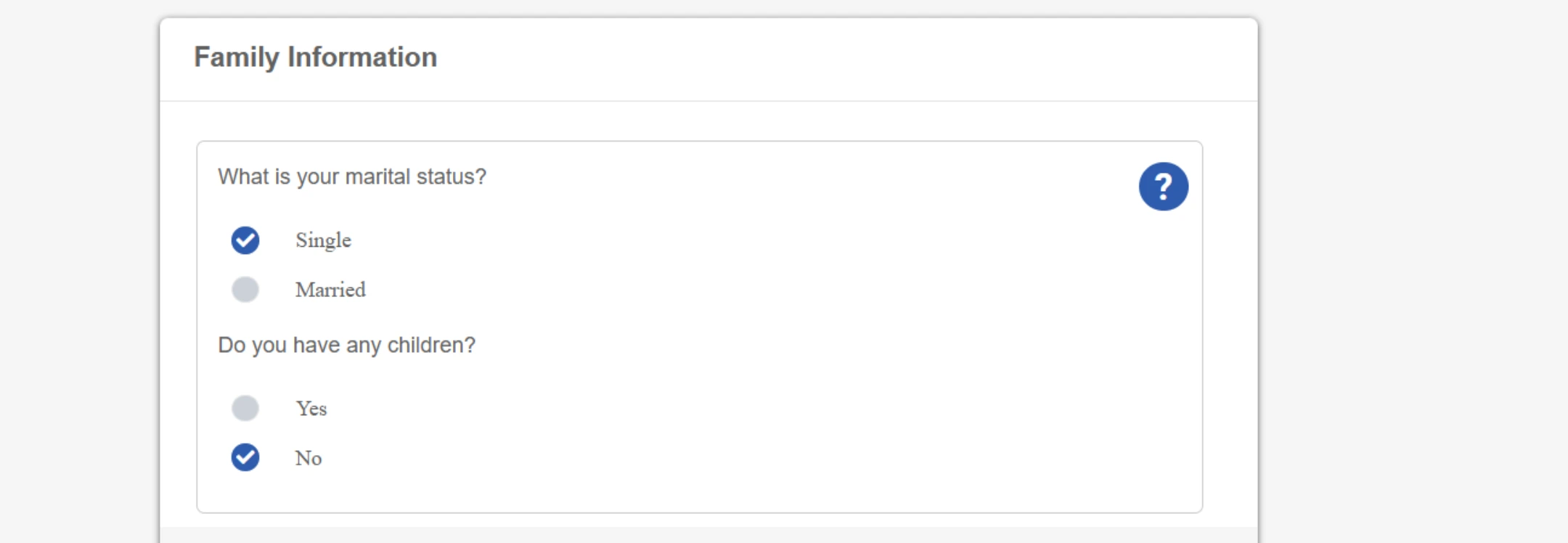
2. Answer Guided Questions
Instead of filling a legal form from scratch, Ziji Legal Forms prompts you with simple questions to create your document. These questions are designed for non-lawyers, so you don’t need any legal background to create your document.
3. Review Your Will
Once you’ve entered your information, the platform will automatically create a customized, properly formatted last will and testament document. You can check the details, make revisions, and ensure the document looks right before moving forward.
Benefits of Using Ziji Legal Forms for Creating Your Will
Ziji Legal Forms makes creating or updating a will simple, secure, and affordable by offering state-specific templates that follow current legal standards. Its user-friendly platform guides you through each step, helping you customize your will, add or change beneficiaries, update guardianship instructions, and cover digital assets. This reduces the risk of costly errors or omissions, ensuring your wishes are clearly documented and easily accessible for loved ones.
Conclusion
Your last will and testament must function as a living document that evolves with your changing life circumstances, family relationships, and financial situation. Regular reviews and prompt updates ensure this critical document accurately reflects your current wishes while providing maximum protection for your loved ones.
The combination of major life events and gradual circumstantial changes requires ongoing attention to will maintenance rather than treating estate planning as a one-time event. Professional tools like Ziji Legal Forms make this maintenance manageable and affordable while ensuring legal compliance and professional quality results.
Taking proactive steps to keep your will current demonstrates care for your family's future while protecting against the complications and disputes that outdated estate planning documents can create. Regular reviews and timely updates transform your will from a forgotten document into an effective tool for achieving your estate planning goals and protecting the people you care about most.
Last Will and Testament FAQs
1. What is a Last Will and Testament?
A Last Will and Testament is a legal document that explains how your property, assets, and final wishes should be handled after your death.
2. Why should I create a Last Will?
A Last Will helps ensure your estate is distributed according to your wishes and reduces confusion for your family.
3. Is an online Last Will legally valid?
Yes, an online Last Will can be legally valid if it follows the signing and witnessing rules of your state.
4. Do I need witnesses or notarization for my Last Will?
Most states require two witnesses, while notarization is usually not required for the Will itself.
5. What happens if I die without a Will?
If you die without a Will, state law decides how your estate is distributed.
6. What jurisdictions can use our Last Will document?
Ziji Legal Forms' Last Will document template is applicable in all jurisdictions across the United States.
Author
Mandar Sonavane
|
Legal Content Writer at Ziji Legal Forms Inc.
Symbiosis International University
Mandar is a legal content writer specializing in the development of clear, practical, and easy-to-understand legal resources. With a strong focus on legal research, content creation, and plain-language writing, he works closely with our legal professionals to ensure that legal documents and educational materials are accurate, accessible, and user-friendly. At Ziji Legal Forms Inc., Mandar is responsible for researching legal topics, drafting and reviewing content, and helping transform complex legal concepts into straightforward guidance that empowers individuals and businesses to confidently navigate their legal needs.
Reviewed By
Histon Shek
|
General Counsel and Co-Founder at Ziji Legal Forms Inc.
University of Alberta
Histon Shek was called to the Alberta Bar in 2006. He holds a BA in Sociology and Philosophy and an LLB from the University of Alberta. As co-founder of Ziji Legal Forms Inc., he focuses on making legal documents accessible and affordable, overseeing legal integrity and content development.







 United States
 Canada