TL;DR
- Using generic or outdated lease templates risks missing essential terms and legal compliance
- Vague rent and payment provisions lead to tenant disputes and cash flow interruptions
- Omitting key clauses on repairs, subletting, pets, or renewal exposes landlords to avoidable liabilities
- Ignoring legal requirements for habitability, entry notices, and deposit rules can trigger fines and lawsuits
- Professional platforms like Ziji Legal Forms help landlords craft accurate, compliant residential lease agreements
Introduction: Why Residential Lease Accuracy Matters
A well-drafted residential lease agreement protects landlord rights and minimizes conflict. Clear terms set expectations for tenant behavior, payment obligations, and property care. Mistakes in lease creation can result in lost rent, legal battles, and strained landlord-tenant relationships. Investing effort into precise lease forms pays dividends in stability, timely payments, and smoother property management.
Mistake #1: Using Generic or Outdated Lease Templates
Many landlords download free residential lease agreement forms online without verifying their relevance. These generic templates often omit critical clauses tailored to modern rentals. Outdated templates may reference obsolete laws or miss required disclosures. When leases lack up-to-date language, landlords risk unenforceable terms and compliance failures that leave them unprotected.
How Generic Templates Fail
Generic templates rarely account for variations in property type, tenant mix, or local codes. They may not address short-term rentals, home-share restrictions, or recent fair housing updates. A template from a few years ago can expose landlords to undisclosed maintenance standards or security deposit limits. Customizing templates ensures leases align with current rental practices and legal requirements.
Mistake #2: Vague Rent and Payment Terms
Failing to specify rent due dates, grace periods, and late fees is a common oversight. When payment terms remain unclear, tenants may pay late or miss payments entirely without realizing consequences. Landlords also must clarify acceptable payment methods such as online transfers, checks, or automatic withdrawals. Without this specificity, rent collection becomes unpredictable and disputes escalate.
Consequences of Unclear Payment Provisions
Vague rent clauses can lead to cash flow interruptions and administrative headaches. Disputes over late fees or payment timing can sour landlord-tenant relationships and prompt legal action. Including precise language on due dates, grace periods, fee structures, and payment methods creates consistency and prevents misunderstanding.
Mistake #3: Overlooking Key Clauses
Leases often neglect vital provisions that govern daily operations and tenant conduct. Maintenance responsibilities, guest policies, subletting rules, and pet regulations require clear delineation. Additionally, renewal and termination terms must outline notice periods, holdover penalties, and rent adjustments. Missing these clauses can leave landlords vulnerable to unexpected expenses and unauthorized tenant activities.
Essential Clauses to Include
- Maintenance and Repair Responsibilities: Define landlord and tenant duties for upkeep and repairs
- Guest and Subletting Policies: Set limits on long-term guests and require landlord approval for sublets
- Pet Rules: Specify allowed pets, additional deposits, and behavior standards
- Renewal and Termination Terms: State notice periods, automatic renewal conditions, and holdover rent rates
Mistake #4: Failing to Address Legal Requirements
Residential leases must comply with federal habitability standards and fair housing laws. Landlords also need to respect tenant privacy by providing proper notice before property entry. Security deposit rules including maximum amounts, storage requirements, and refund timelines are critical to avoid statutory penalties. Ignoring these legal obligations exposes landlords to fines, lawsuits, and damage to reputation.
Critical Legal Provisions
- Habitability Standards: Guarantee working utilities, safe structures, and pest-free environments
- Notice Before Entry: Specify required advance notice for inspections, repairs, and showings
- Fair Housing Compliance: Prohibit discrimination based on protected classes
- Security Deposit Rules: Outline caps, holding procedures, and timely refund obligations
How to Create a Lease Using Ziji Legal Forms
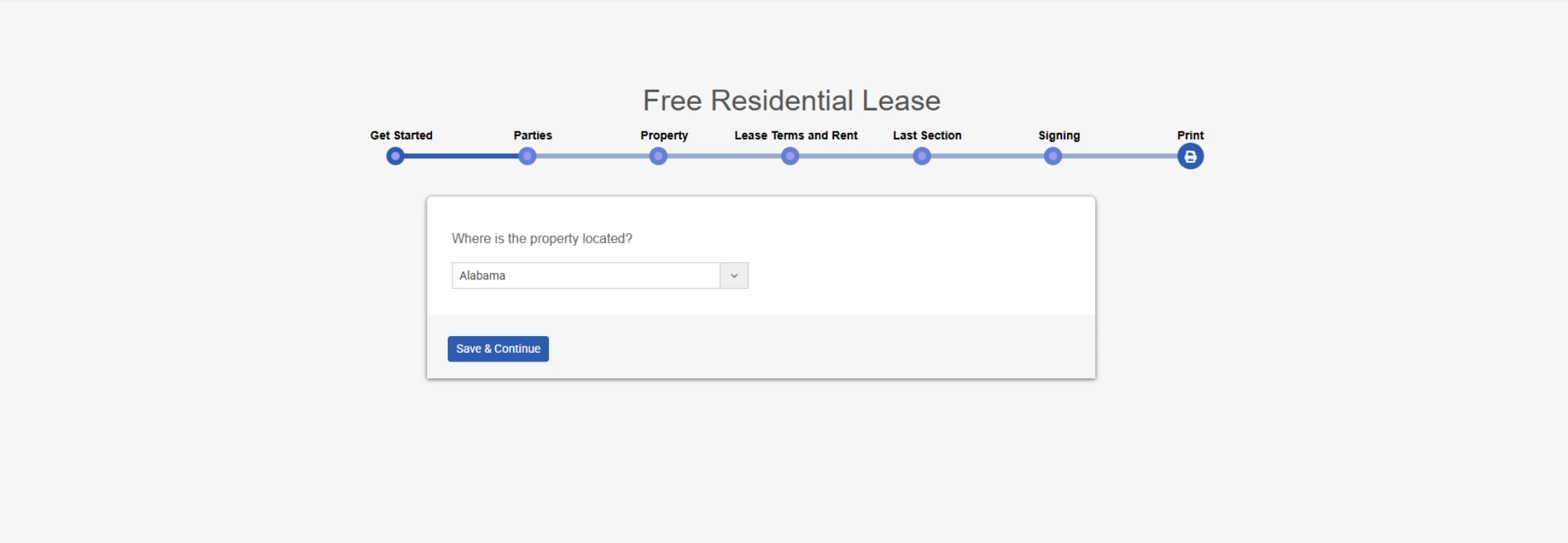
1. Choose your state to generate a compliant residential lease form.
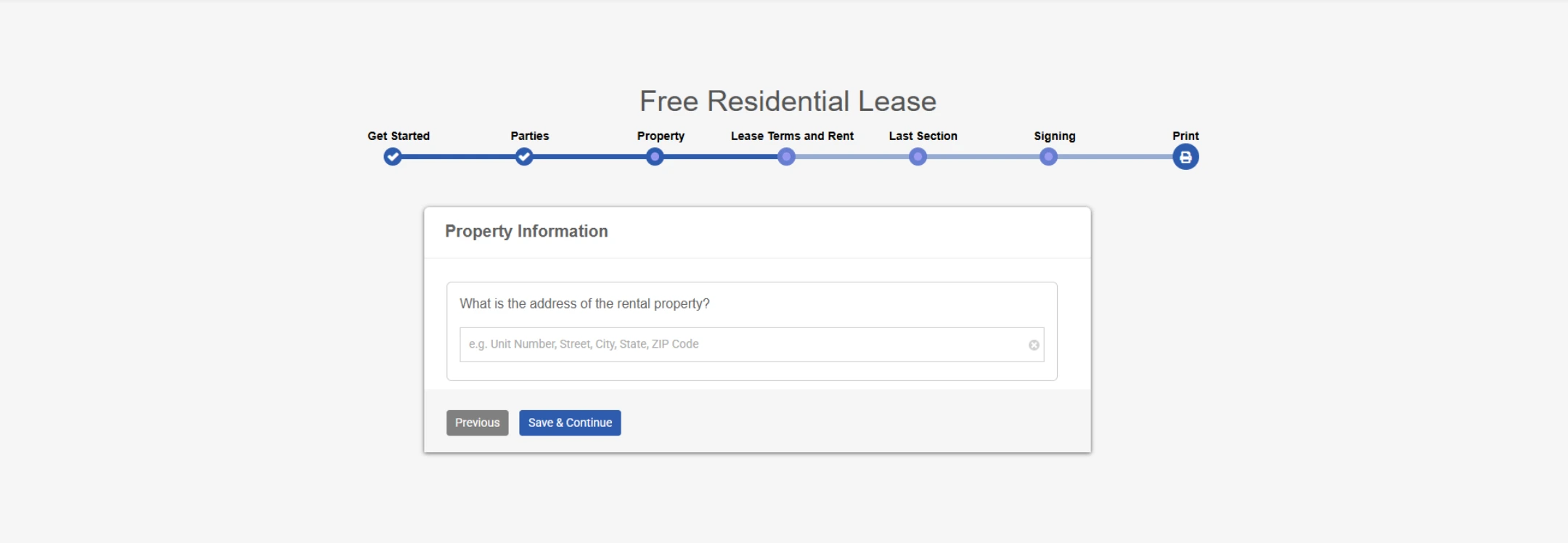
2. Respond to a few guided questions about your property, rent amount, and terms.
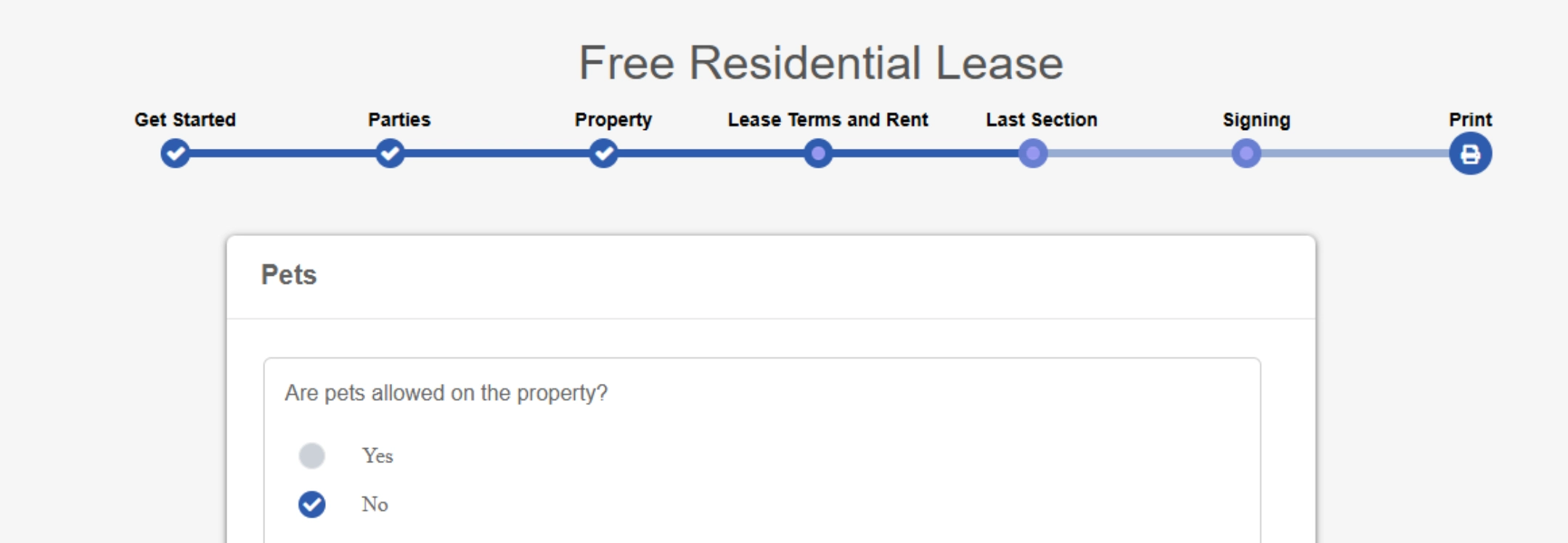
3. Customize required additional clauses (utilities, pets, allowing smoking, etc.).
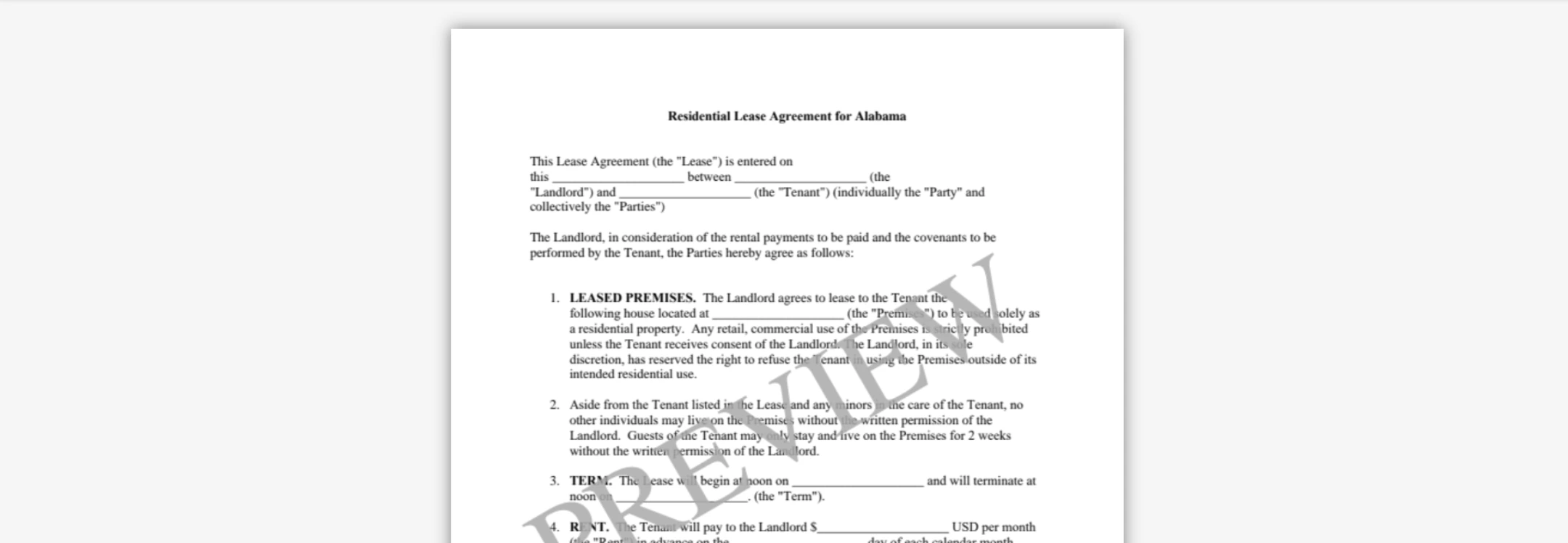
4. Preview and download the residential lease document.
5. Have all parties sign electronically or in print.
Ziji Legal Forms ensures your residential lease agreement includes all required language and meets your state’s legal standards.
Benefits of Using Ziji Legal Forms
- Customizable Templates: Tailor free simple residential lease agreement forms to your properties
- Compliance Alerts: Receive real-time prompts for missing clauses and legal updates
- Instant PDF/Word Download: Generate professional residential lease agreement pdf documents ready for signatures
- Streamlined Workflow: Save, edit, and manage multiple residential lease forms in one secure platform
Conclusion
Avoiding common mistakes in residential lease creation is essential for protecting landlord interests and maintaining positive tenant relationships. Generic or outdated templates, vague payment terms, missing clauses, and non-compliance with legal requirements can lead to disputes, financial loss, and regulatory penalties. Leveraging professional tools like Ziji Legal Forms ensures that landlords craft accurate, comprehensive residential lease agreements tailored to modern rental needs. Investing time in precise lease drafting today brings clearer expectations, smoother operations, and long-term peace of mind.
Residential Lease FAQs
1. How does a Residential Lease Agreement protect landlords and tenants?
It clearly outlines each party's rights and responsibilities, helping reduce disputes throughout the tenancy.
2. Who benefits from having a Residential Lease Agreement?
Both landlords and tenants benefit from having a written agreement that clearly explains the rental terms.
3. Can I choose between a fixed-term lease and a month-to-month lease?
Yes. Both options are available, and the best choice depends on the level of flexibility or stability you need.
4. Are pet rules determined by the lease?
Yes. The lease can specify whether pets are allowed and include any conditions that apply to pet ownership.
5. Can a Residential Lease be renewed instead of creating a new one?
Yes. Many leases can be renewed or extended if both the landlord and tenant agree.
6. What jurisdictions are covered by the Ziji Legal Forms Residential Lease Agreement?
The Ziji Legal Forms Residential Lease Agreement can be used in all jurisdictions throughout the United States.
Author
Mandar Sonavane
|
Legal Content Writer at Ziji Legal Forms Inc.
Symbiosis International University
Mandar is a legal content writer specializing in the development of clear, practical, and easy-to-understand legal resources. With a strong focus on legal research, content creation, and plain-language writing, he works closely with our legal professionals to ensure that legal documents and educational materials are accurate, accessible, and user-friendly. At Ziji Legal Forms Inc., Mandar is responsible for researching legal topics, drafting and reviewing content, and helping transform complex legal concepts into straightforward guidance that empowers individuals and businesses to confidently navigate their legal needs.
Reviewed By
Histon Shek
|
General Counsel and Co-Founder at Ziji Legal Forms Inc.
University of Alberta
Histon Shek was called to the Alberta Bar in 2006. He holds a BA in Sociology and Philosophy and an LLB from the University of Alberta. As co-founder of Ziji Legal Forms Inc., he focuses on making legal documents accessible and affordable, overseeing legal integrity and content development.




 United States
 Canada