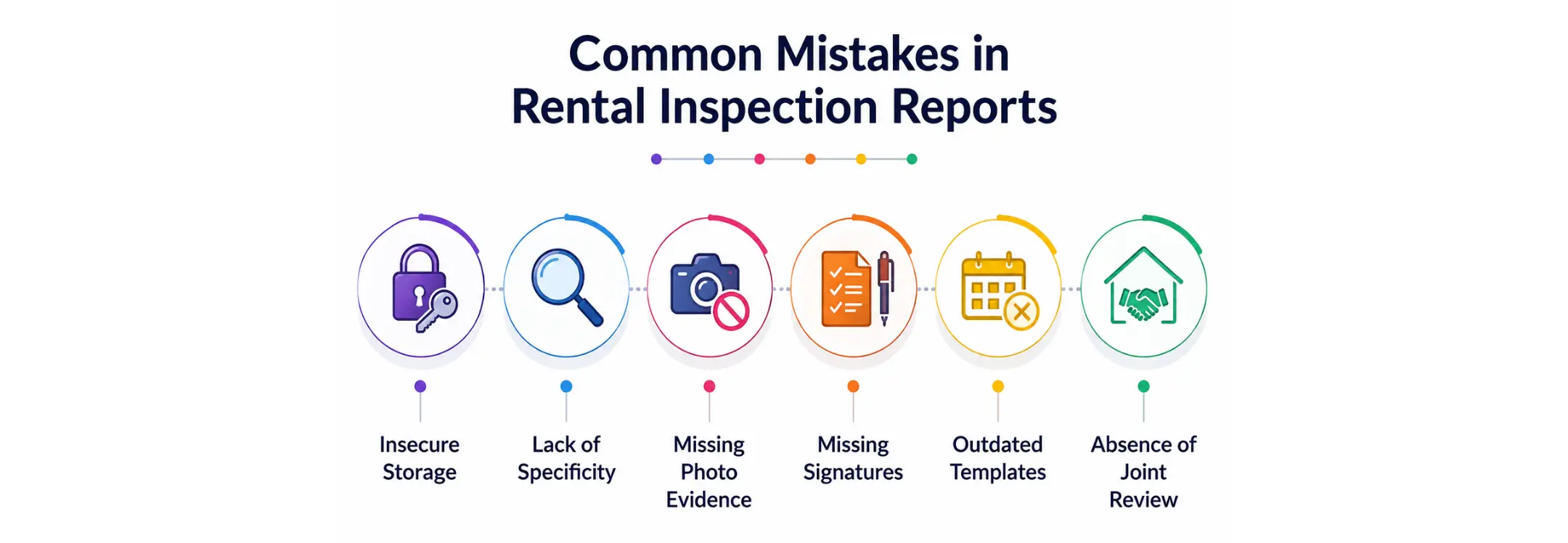
TL;DR- Vague documentation using non-specific language like "okay" or "fine" creates disputes because inspectors cannot determine exact damage levels or conditions from unclear notes
- Missing photographic evidence with timestamps prevents visual verification of property conditions and weakens documentation quality when disputes arise later
- Skipping joint inspections with both landlord and tenant present eliminates mutual acknowledgment and creates conflicts about what was actually documented
- Using outdated templates that lack required fields or current legal compliance creates gaps in documentation that can render portions unenforceable
- Forgetting signatures from both parties eliminates legal validity because unsigned reports lack proof that both parties agreed to documented conditions
- Not keeping secure copies leaves you vulnerable to disputes when original documents are lost or damaged, eliminating evidence during security deposit disagreements
- Ziji Legal Forms provides comprehensive rental inspection report templates that prevent these mistakes while ensuring legal compliance and thorough documentation
Introduction: Why Rental Inspection Reports Matter
Rental inspection reports serve as critical documentation that protects both landlords and tenants by establishing clear baseline conditions before tenancy begins and comparing those conditions when tenancy ends. These documents become essential when disputes arise about security deposit deductions, damage claims, or responsibility for repairs.
Comprehensive inspection reports with detailed observations, photographic evidence, and signatures from all parties create legally defensible documentation that courts recognize during disputes. Common mistakes in creating these reports undermine their legal value and create precisely the disputes they were meant to prevent.
Mistake 1: Not Documenting Details with Specificity
The Problem with Vague Language
Vague inspection notes like "carpet okay," "walls fine," or "fixtures acceptable" fail to document property conditions with sufficient detail for comparison later. These non-specific terms mean different things to different people, making it impossible to determine whether condition changes between inspections represent normal wear or tenant-caused damage.
Specific documentation requires measurable, objective descriptions like "carpet has 2 inch stain near left window" rather than "carpet dirty." Specific details enable future inspectors to identify exact changes and assess whether damage is new or pre-existing.
Impact on Dispute Resolution
When disputes arise during move-out inspections, vague documentation provides no evidentiary value because it does not establish what the original condition was. Without specific details, landlords cannot justify security deposit deductions while tenants cannot defend against false damage claims.
Essential Documentation Elements
Detailed inspection notes should include specific measurements for damage, precise color descriptions, exact locations of issues, condition of specific fixtures and appliances, visible wear patterns, and any unusual odors or observations. Use consistent terminology and rating systems that enable objective comparison across inspections.
Mistake 2: Skipping Photo Evidence with Timestamps
Why Visual Documentation Matters
Missing or inadequate photographic evidence removes the strongest documentation support for inspection reports. Photos provide objective visual proof of conditions that written descriptions alone cannot establish convincingly.
Timestamped photographs create irrefutable evidence about when conditions existed. Digital photos automatically record capture dates and times, providing proof that documentation was created when claimed rather than afterward.
Disputes Resulting from Missing Photos
Without photographic evidence, landlords struggle to defend security deposit deductions against tenant claims of pre-existing damage. Courts favor photographic evidence over written observations when disputes require determining what damaged occurred when.
Photography Best Practices
Take multiple photos of each room including overall views and close-up details of damaged areas. Photograph condition from multiple angles to document issues thoroughly. Capture identifying information in photos like room names, dates, or clock displays proving when photos were taken. Use video recordings to provide comprehensive property documentation including narration describing conditions as you move through the property. You can explore these property photography tips and walkthrough techniques.
Mistake 3: Not Reviewing Property Together with Both Parties
Benefits of Joint Inspections
Conducting inspections without both landlord and tenant present eliminates the mutual acknowledgment and transparency that joint inspections provide. When only one party inspects the property, the other party can later dispute what was actually documented and claim items were added to the report afterward.
Joint inspections allow both parties to discuss observations, ask questions about documented conditions, and sign off acknowledging accuracy. This mutual participation reduces claims that reports were falsified or incomplete.
Problems Arising from Unilateral Inspections
If landlords inspect properties alone before tenant move-in and later claim damage the tenant disputes, the tenant can argue the damage was pre-existing or fabricated. Without witness corroboration, determining truth becomes difficult during disputes.
Similarly, if landlords conduct move-out inspections without tenants present, tenants can later dispute documented damage and claim it was pre-existing or falsely reported by the landlord.
Proper Inspection Procedures
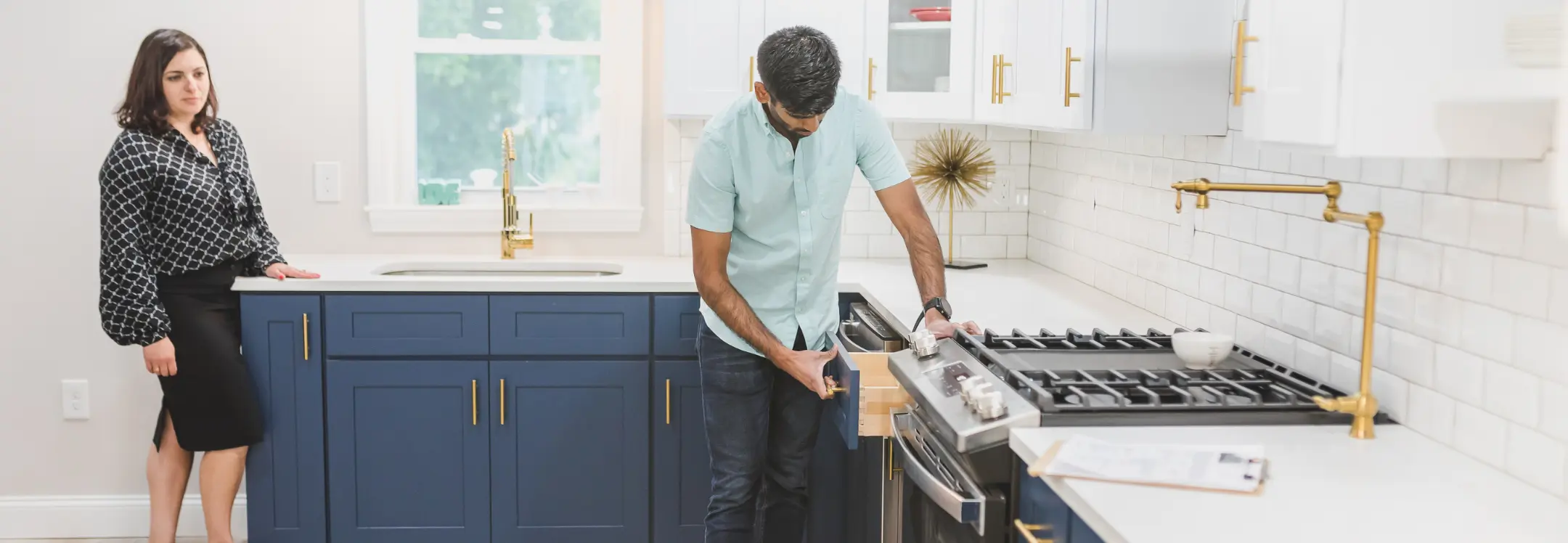
Schedule inspections at times convenient for both parties to attend. Conduct walkthrough together, discussing each room and noting observations as you proceed. Allow both parties to add notes or comments to the inspection report. Photograph areas together so both parties witness documentation creation. Have both parties sign the completed report confirming they were present and agree with documented observations.
Mistake 4: Using Outdated or Incomplete Templates
Gaps Created by Generic Forms
Outdated inspection templates may lack fields required by current regulations or omit important documentation areas that thorough inspections need. Generic templates designed for general situations miss industry-specific requirements or property-type considerations.
Templates created years ago may not reflect current requirements for security deposit documentation, accessibility compliance, or other legal standards that have evolved since template creation.
Compliance Issues from Missing Fields
Inspection reports lacking required information may not meet legal standards in some jurisdictions, potentially rendering portions invalid if disputes proceed to court. Missing fields also create documentation gaps that could be interpreted as deliberate omission rather than oversight.
Selecting Appropriate Templates
Use templates specifically designed for rental property inspections that include all standard documentation areas. Select templates that reflect current legal requirements rather than relying on generic forms. Consider whether property-specific variations require template modifications for accuracy.
Mistake 5: Failing to Get Signatures from Both Parties
Legal Validity Requirements
Unsigned or partially signed inspection reports lack legal validity because they do not demonstrate that both parties actually reviewed and agreed to documented conditions. Courts require signatures proving that documented observations represent mutually acknowledged facts rather than one party's unsubstantiated claims.
Both landlord and tenant signatures on inspection reports create evidence that both parties reviewed conditions and agreed that observations were accurate at the time inspections occurred.
Enforcement Problems
Unsigned reports cannot be effectively used during security deposit disputes because they lack authentication proving they represent accurate documentation. Even accurate observations lose evidentiary weight without signatures confirming both parties agreed to recorded information.
Proper Signature Procedures
Have both parties sign and date inspection reports immediately after completing walkthrough inspections. Print both parties' names near signatures for clear identification. Include the inspection date and time to establish temporal context. Consider adding witness signatures for additional legal formality and verification.
Mistake 6: Not Keeping Secure Digital or Physical Copies
Vulnerability of Single Documents
Keeping only one copy of inspection reports leaves documentation vulnerable to loss, damage, or disputes about whether original documents were altered. If the single copy is lost or destroyed, no evidence remains to defend against later disputes.
Multiple secure copies ensure that documentation survives accidents, damage, or disputes about document authenticity. Digital copies provide additional protection against physical damage while enabling rapid access when needed.
Security Deposit Dispute Complications
Without copies, landlords cannot defend security deposit deduction decisions when tenants dispute charges. Property managers who lose inspection reports find themselves unable to substantiate why damages occurred or estimate repair costs.
Secure Document Storage
Keep digital copies in cloud storage services that automatically backup and maintain version history. Print and physically file copies in secure locations separate from primary copies. Create redundant backup systems ensuring documentation survives various failure scenarios. Maintain organized filing systems enabling rapid document retrieval during disputes.
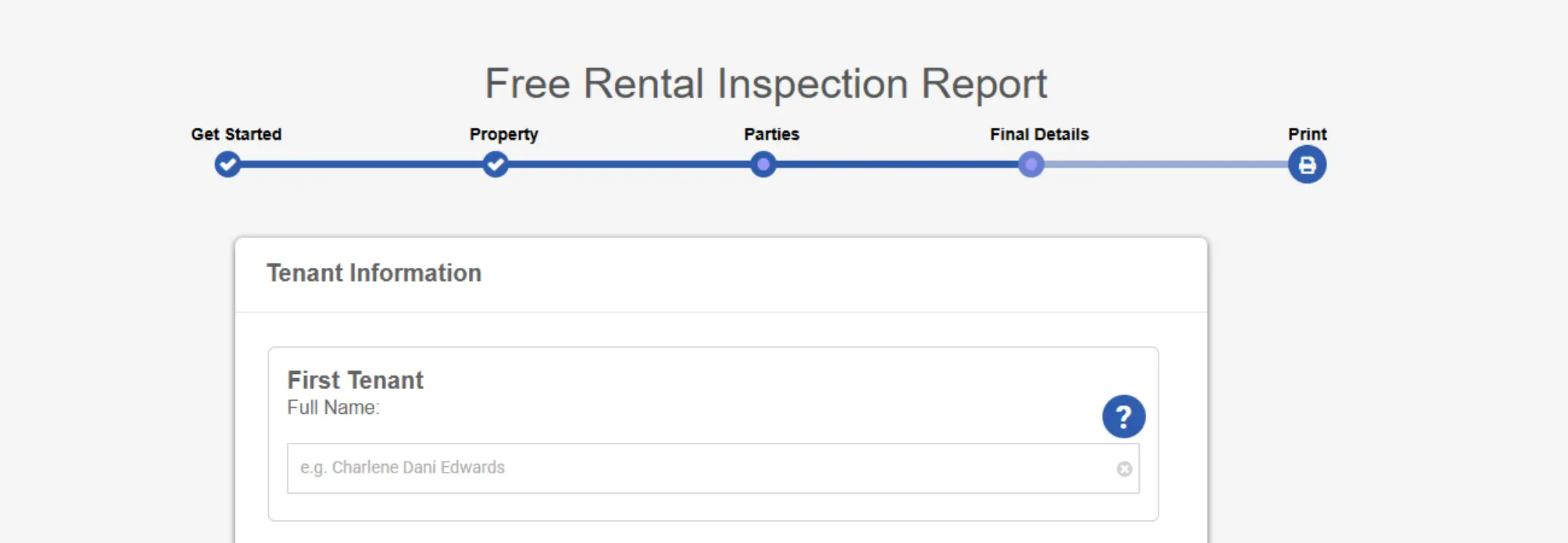
How to Create a Rental Inspection Report Using Ziji Legal Forms
1. Choose template
Access Ziji Legal Forms' Real Estate section and select the Rental Inspection Report Template designed for comprehensive property documentation with detailed condition checklists.
2. Add Property Details
Enter the property address, unit number, inspection date and time, and property type to establish clear identification and temporal context for documented conditions.
3. Add Parties' Details
Include landlord name and contact information, tenant name and contact information, and any other parties present during the inspection to establish who reviewed and acknowledged the documentation.
4. Add Final Details
Complete room-by-room condition assessments using specific descriptive language, attach timestamped photographs or videos, note all observed damage or concerns with measurements and locations, and include any maintenance recommendations or items requiring attention.
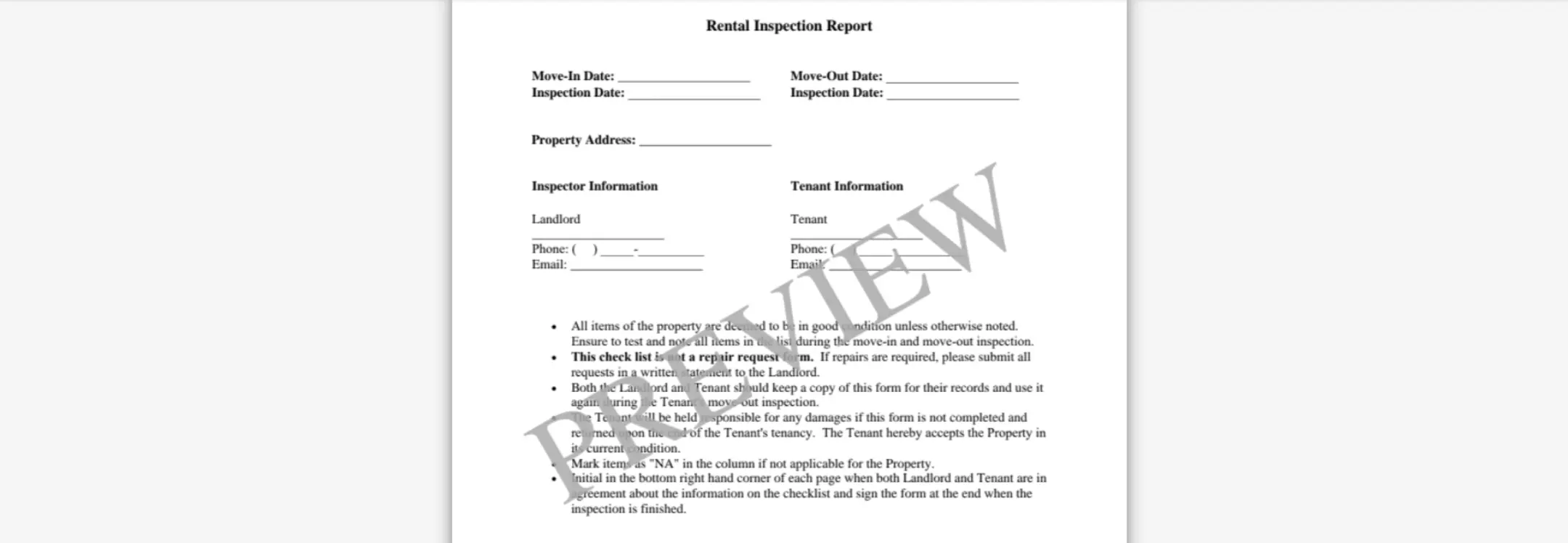
5. Preview and print.
Review the completed inspection report thoroughly to verify accuracy and completeness, then download in PDF format for printing and signature collection from both parties, with additional copies for secure backup storage.
Using Ziji Templates Reduces Common Mistakes
Ziji Legal Forms ensures specific documentation by guiding users toward detailed, objective language rather than vague observations. Templates include photographic attachment fields that remind users to include visual evidence. Report sections prompt for both landlord and tenant information and signature lines for both parties. Current template designs incorporate all legal requirements and standard inspection fields. Digital download and backup features encourage secure document storage and copy retention.
Conclusion: Protect Your Rental Properties with Thorough Inspection Documentation
Comprehensive rental inspection reports with detailed observations, photographic evidence, joint party participation, and proper signatures create legally defensible documentation that protects both landlords and tenants. Using Ziji Legal Forms' professional templates eliminates common documentation errors while ensuring all critical information is included for complete property protection.
Rental Inspection Report FAQs
1. What does a Rental Inspection Checklist do?
A Rental Inspection Checklist documents the condition of a rental property and creates a record for both landlords and tenants.
2. Who should use a Rental Inspection Checklist?
Both landlords and tenants should use one to help ensure the property's condition is accurately documented.
3. Is a Rental Inspection Checklist only for move-in inspections?
No. It should be completed both before the tenant moves in and after they move out.
4. What areas should be inspected?
The inspection should include walls, floors, ceilings, windows, doors, appliances, plumbing fixtures, lighting, and outdoor areas.
5. Are photos necessary?
While not always required, photographs are highly recommended because they provide clear evidence of the property's condition.
6. Where can the Ziji Legal Forms Rental Inspection Checklist be used?
The Ziji Legal Forms Rental Inspection Checklist is valid for use throughout all U.S. jurisdictions.
Author
Mandar Sonavane
|
Legal Content Writer at Ziji Legal Forms Inc.
Symbiosis International University
Mandar is a legal content writer specializing in the development of clear, practical, and easy-to-understand legal resources. With a strong focus on legal research, content creation, and plain-language writing, he works closely with our legal professionals to ensure that legal documents and educational materials are accurate, accessible, and user-friendly. At Ziji Legal Forms Inc., Mandar is responsible for researching legal topics, drafting and reviewing content, and helping transform complex legal concepts into straightforward guidance that empowers individuals and businesses to confidently navigate their legal needs.
Reviewed By
Histon Shek
|
General Counsel and Co-Founder at Ziji Legal Forms Inc.
University of Alberta
Histon Shek was called to the Alberta Bar in 2006. He holds a BA in Sociology and Philosophy and an LLB from the University of Alberta. As co-founder of Ziji Legal Forms Inc., he focuses on making legal documents accessible and affordable, overseeing legal integrity and content development.




 United States
 Canada