- Rental inspections document property condition at move in and move out so both landlord and tenant can prove what changed during the tenancy.
- Landlords are generally responsible for structure, building systems, and habitability, while tenants are responsible for cleanliness and preventing avoidable damage.
- Normal wear and tear cannot be charged to the tenant, but tenant caused damage can support repair charges and security deposit deductions.
- Detailed Rental Inspection Reports with photos and room by room notes reduce small claims and security deposit disputes.
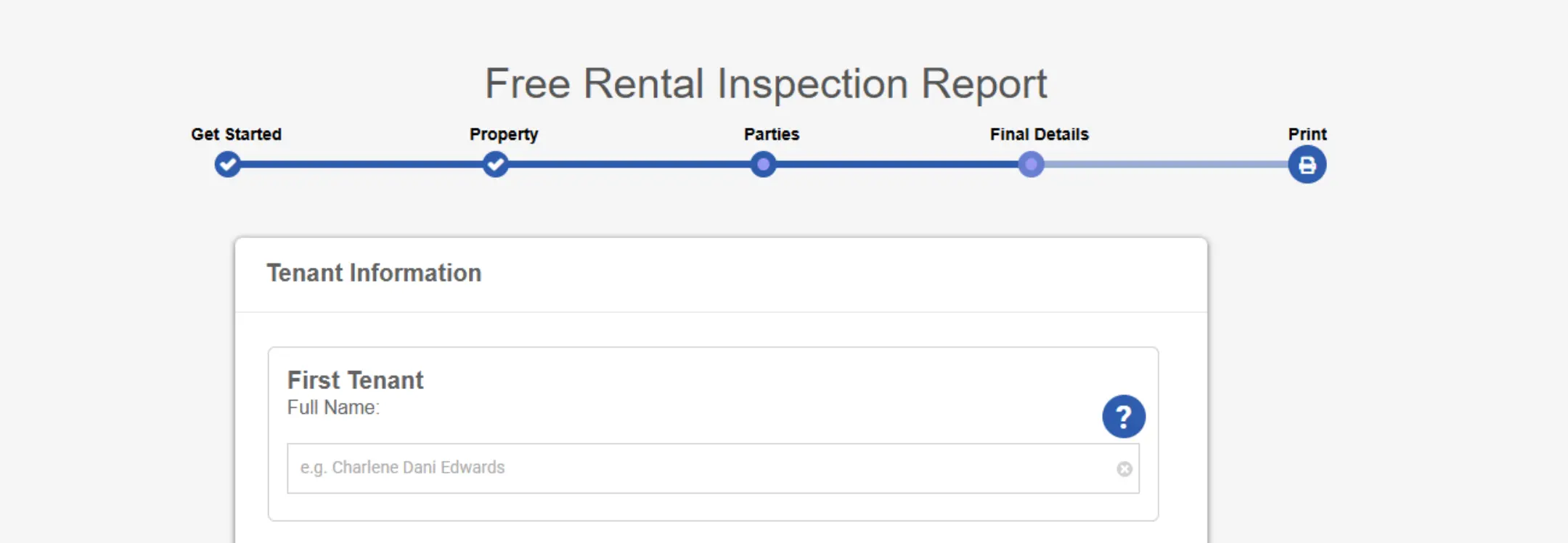
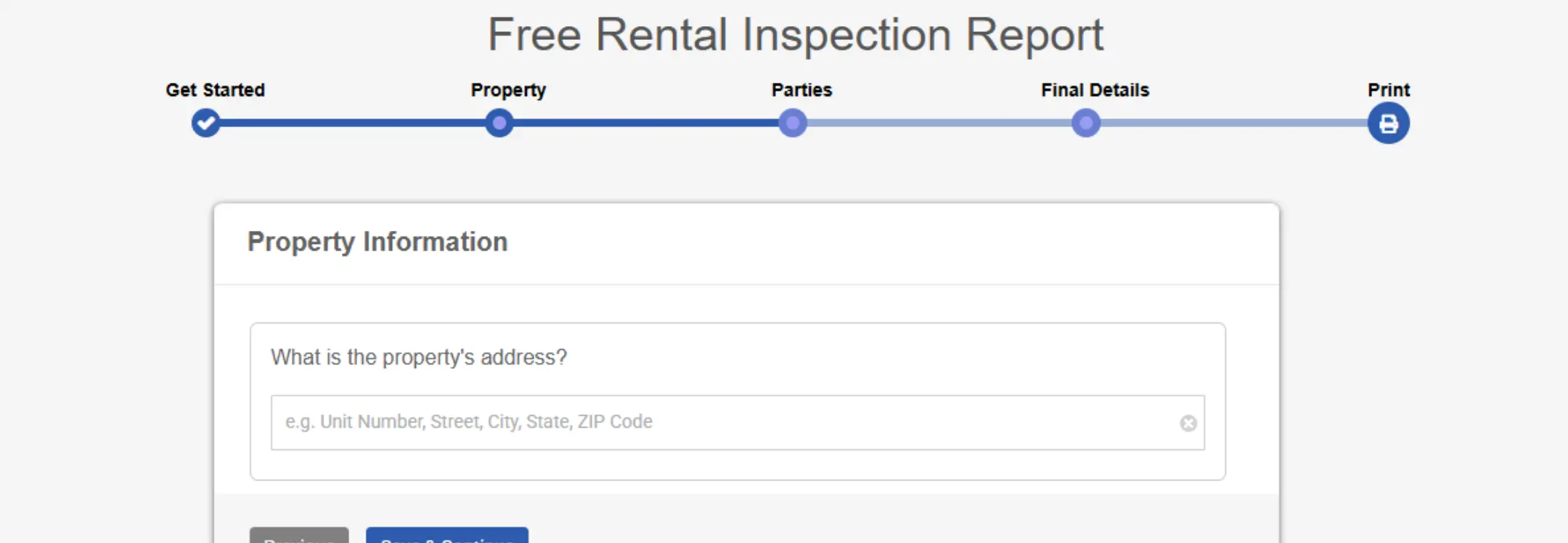
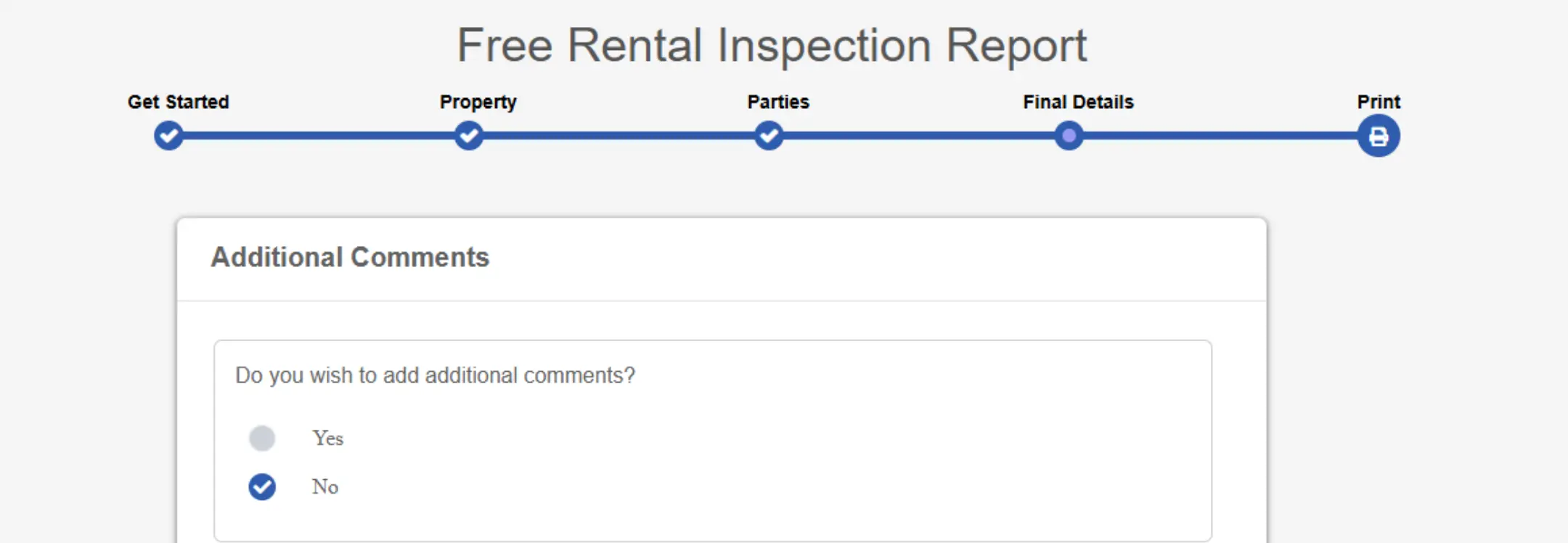
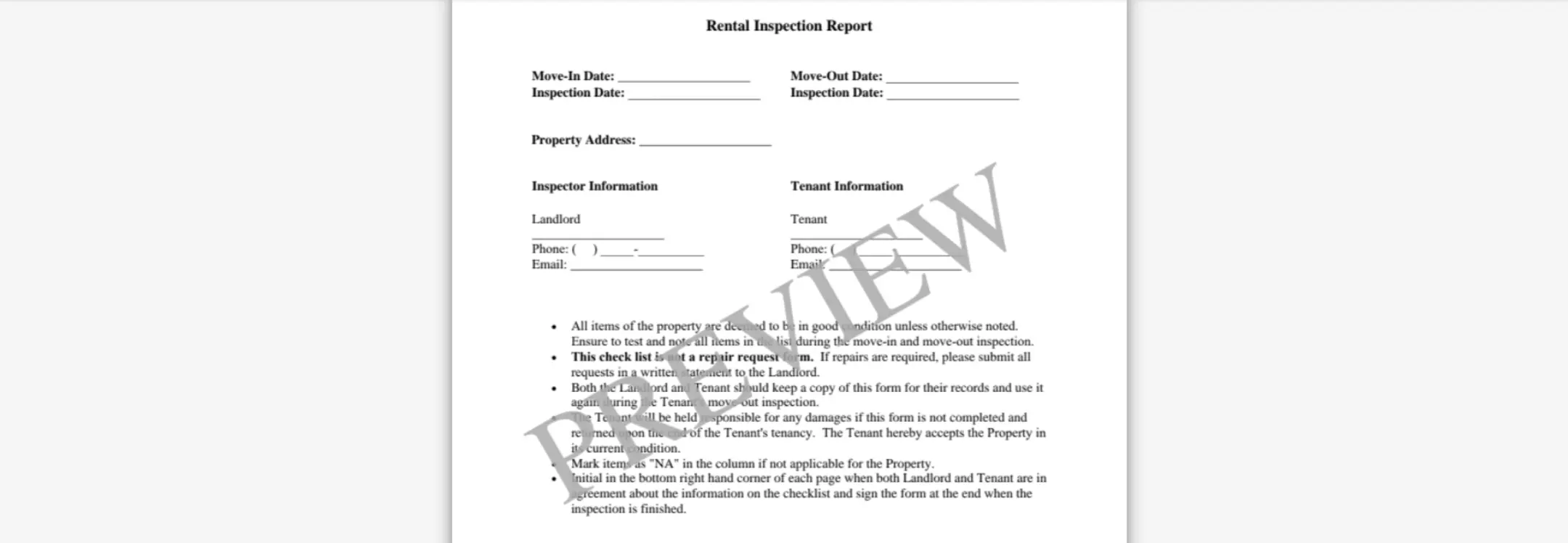
- Using an online Rental Inspection Report template from Ziji Legal Forms helps both parties record condition and responsibilities consistently across inspections.
Why Responsibility Confusion Creates Inspection Disputes
Many landlord tenant conflicts do not start with major damage. They start with unclear expectations about who was supposed to do what and weak documentation of the rental’s initial condition. When there is no consistent Rental Inspection Report, each side tends to remember the property state in a way that favors their position.
Because security deposits often involve significant money, these disagreements can escalate quickly. A structured inspection process with a standard Rental Inspection Report template gives both landlords and tenants a common reference point and makes later conversations about responsibility more factual than emotional.
What a Rental Inspection Is Designed to Identify
A rental inspection is meant to record the condition of the unit at specific moments such as move in, periodic reviews, and move out. It is not just a maintenance punch list, and it is not purely a cleanliness check. Instead, a good inspection distinguishes existing defects, normal age related wear, and damage that may become the tenant’s responsibility.
Well executed inspections support fair documentation. They help confirm whether problems were pre existing or occurred during the tenancy, and whether they stem from normal use or neglect. That distinction is crucial when deciding whether a charge or deduction is appropriate.
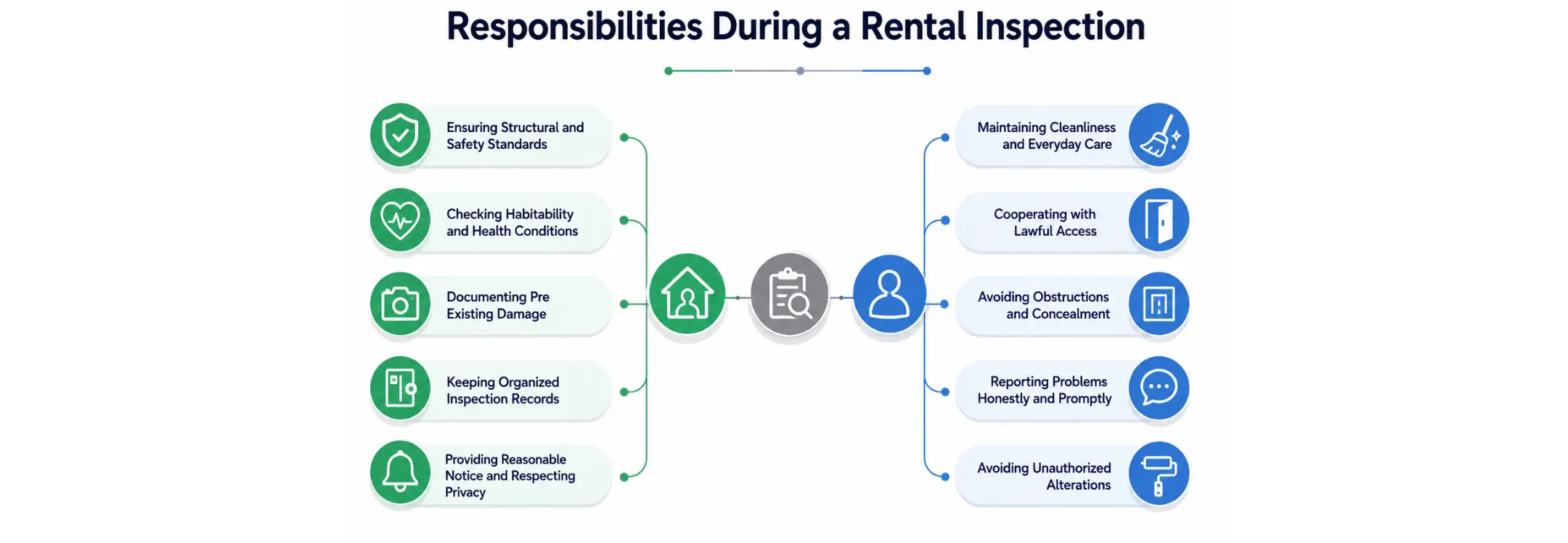
Landlord Responsibilities During a Rental Inspection
Ensuring Structural and Safety Standards
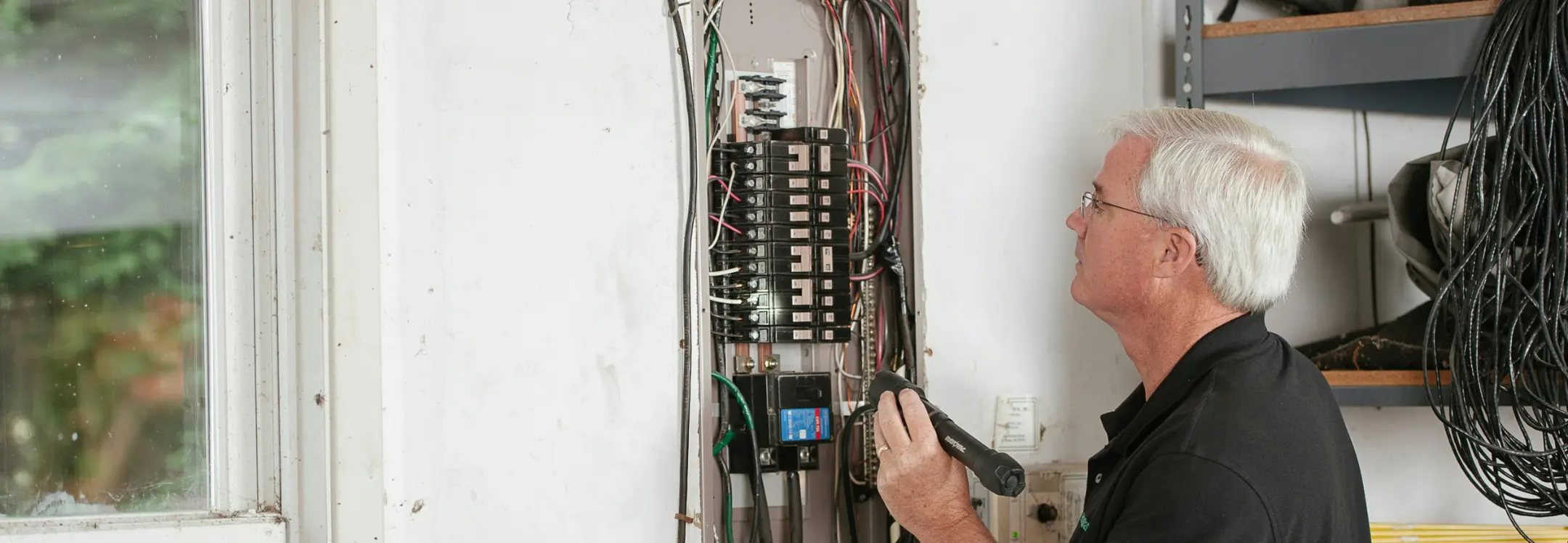
Landlords are responsible for the overall structure and safety of the rental property. That includes the roof, foundation, essential plumbing, electrical systems, and basic security features like locks and windows that close properly. They should confirm that doors and windows open and close as intended, that stairs and railings are stable, and that there are no visible hazards that could create injury risk.
Checking Habitability and Health Conditions
During inspections, landlords should check for issues that affect habitability such as leaks, mold risks, broken smoke detectors, or other safety hazards. They should look for water stains, soft spots in walls or ceilings, signs of pest activity, and any evidence of ventilation problems that might cause moisture buildup. When problems are found, landlords are expected to evaluate them promptly and arrange reasonable repairs so the unit remains fit for residential use.
Documenting Pre Existing Damage
Landlords are expected to document pre existing damage before a tenant moves in and to update that record during later inspections. This typically involves detailed written notes combined with time stamped photos that show floors, walls, appliances, fixtures, and exterior areas. Thorough documentation makes it much easier to distinguish between conditions that existed before the tenancy and those that developed while the current tenant occupied the property.
Keeping Organized Inspection Records
In addition to performing inspections, landlords should maintain organized records of every inspection report, including dates, notes, photos, and any follow up repair actions. These records support future decisions about repairs, rent adjustments, or security deposit deductions. Keeping consistent files across different tenancies also helps demonstrate that the landlord applies inspection standards fairly and not just when disputes arise.
Providing Reasonable Notice and Respecting Privacy
Landlords also have a responsibility to provide reasonable notice before routine inspections and to respect tenant privacy. While exact notice rules vary by jurisdiction, general best practice is advance written or documented notice with inspections conducted at reasonable times and for legitimate purposes like maintenance and condition checks. Landlords should avoid unnecessary visits, limit inspection time to what is needed, and refrain from accessing personal items that are not relevant to the condition of the property.
Tenant Responsibilities During a Rental Inspection
Maintaining Cleanliness and Everyday Care
Tenants are responsible for keeping the rental reasonably clean and preventing avoidable damage. That typically includes regular cleaning, properly using appliances, ventilating to avoid moisture buildup, and promptly reporting issues like leaks or malfunctioning systems before they worsen. When tenants follow these routines, inspections are more likely to confirm only normal wear and tear rather than reveal serious preventable problems.
Cooperating with Lawful Access
During inspections, tenants must allow lawful access when proper notice has been given. Cooperation includes being present when required, securing pets if needed, and ensuring the landlord or inspector can move safely through the unit. Tenants should avoid scheduling conflicts that unreasonably delay inspections, since timely access allows issues to be identified and corrected before they cause major damage or inconvenience.
Avoiding Obstructions and Concealment
Tenants should ensure that clutter or personal items do not conceal issues the landlord needs to see. Large furniture, stacks of boxes, or stored items should not block access to key areas such as sinks, windows, heaters, or electrical panels. If potential problems are hidden by belongings, both parties lose an opportunity to identify them early, and the tenant may later face questions about whether damage was intentionally concealed.
Reporting Problems Honestly and Promptly
Tenants also share responsibility for honest reporting of known problems instead of ignoring or hiding them. If they notice leaks, cracks, loose fixtures, or appliance malfunctions between inspections, they should inform the landlord in a timely manner rather than waiting. Transparent communication can prevent minor issues from becoming major repairs and demonstrates that the tenant is taking reasonable care of the property.
Avoiding Unauthorized Alterations
Unauthorized alterations such as painting without permission, removing fixtures, or installing equipment improperly can create tenant liability. These changes might damage surfaces, interfere with building systems, or violate building rules that the landlord must follow. Inspections help surface these changes so they can be addressed before move out, when they might otherwise become costly disputes over restoration work or deposit deductions.
Shared Responsibilities at Move In and Move Out
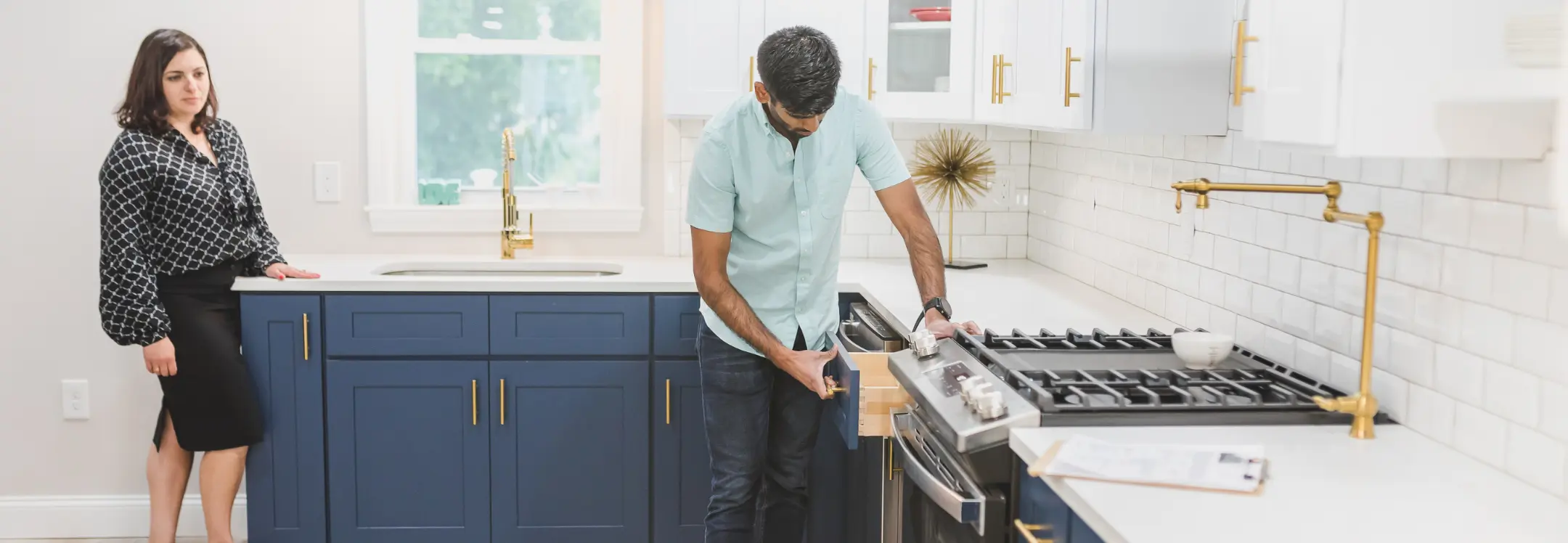
At move in, both landlord and tenant benefit from a joint walkthrough with a Rental Inspection Report in hand. The landlord should note pre existing defects, and the tenant should review and confirm each room’s condition before signing. Photos or videos taken at this stage are powerful evidence later.
At move out, a comparable inspection uses the same framework to see what changed. When both parties participate or at least receive the report promptly, they can discuss potential charges while the condition is fresh and the tenant still has an opportunity to address some issues. This shared process reduces surprises when the security deposit is returned.
Normal Wear and Tear Versus Tenant Caused Damage
Normal wear and tear refers to deterioration that happens through ordinary, careful use. It includes things like faded paint, minor scuffs, or carpet that has worn with age. Property damage, by contrast, involves misuse, neglect, or intentional harm.
Examples of normal wear and tear include small nail holes from pictures, slightly worn carpet in high traffic areas, and minor paint fading from sunlight. Examples of tenant caused damage include large wall holes, deep stains from spills, broken appliances due to misuse, or pet damage to floors and doors.
This distinction matters because landlords generally cannot charge tenants or deduct from deposits for normal wear and tear, but they can pursue costs for tenant caused damage documented with a thorough Rental Inspection Report and supporting photos.
How Inspection Reports Help Resolve Common Disputes
Security deposit disputes often hinge on two questions. Was the problem already there at move in, and is it wear and tear or damage. A detailed Rental Inspection Report that compares the same items at move in and move out gives courts and mediators an objective tool to answer both.
Missing or vague documentation makes it hard for either side to prove their version. Landlords may struggle to justify deductions, and tenants may find it difficult to challenge charges they see as unfair. Written reports with dates and signatures, backed by photos, significantly reduce the risk of protracted conflicts.
Best Practices to Avoid Responsibility Disputes
Using a standardized Rental Inspection Report template ensures that every unit is inspected in the same structured way. The checklist should cover each room, all major fixtures, appliances, and visible surfaces so that nothing important is missed.
Both parties should take dated photos that correspond to entries in the report. Copies of all inspection records should be retained throughout the tenancy and for a reasonable period after move out in case questions arise. Addressing issues promptly rather than waiting until the end of the lease makes it easier to separate landlord repairs from tenant obligations.



 United States
 Canada