TL;DR- A rental inspection report is a comprehensive document that records property conditions before move-in, move-out, or during routine maintenance checks
- Essential checklists cover exterior structures, interior conditions, plumbing, electrical systems, fixtures, appliances, safety equipment, and pest or mold indicators
- Red flags include structural cracks, persistent dampness, faulty wiring, unusual odors, and missing safety certifications that require immediate attention
- Thorough inspections protect financial interests, prevent legal disputes, and ensure tenant safety through proper documentation with photos and signatures
- Ziji Legal Forms offers pre-formatted rental inspection report templates that simplify documentation with structured checklists and digital signature capabilities
Introduction: Why Property Inspections Matter
Property inspections form the foundation of responsible real estate ownership and rental management. Whether you are, renting an apartment, or managing investment properties, understanding the true condition of a property protects your financial interests and ensures safe living environments for all occupants.
A property inspection involves systematic examination of all major components including structural elements, mechanical systems, safety features, and aesthetic conditions. This detailed assessment identifies existing problems, anticipates future maintenance needs, and provides documented evidence of property conditions at specific points in time.
Comprehensive inspections help tenants to document pre-existing damage before taking possession, and enable landlords to track property conditions throughout tenancy periods. The documentation created during inspections prevents disputes about responsibility for repairs while ensuring compliance with safety regulations and lease agreements.
When to Use a Property Inspection Report
Before Move-In or After Move-Out
Move-in inspections establish baseline property conditions before tenants take possession, documenting pre-existing damage that new residents should not be held responsible for fixing or paying for through security deposit deductions. Both landlords and tenants benefit from clear records that prevent disputes about responsibility for various issues.
Move-out inspections compare current property conditions against initial move-in documentation to determine normal wear and tear versus damage requiring repair or replacement. Fair security deposit handling depends heavily on accurate before-and-after condition comparisons supported by photographic evidence and detailed written descriptions.
During Periodic Maintenance Checks
Regular inspections throughout long-term tenancies allow landlords to identify maintenance needs early before minor problems escalate into expensive major repairs. Routine assessments also verify tenant compliance with lease maintenance obligations including cleanliness standards and prohibited activities.
Periodic inspections typically occur every six months or annually depending on lease terms and local regulations. These check-ins maintain positive landlord-tenant relationships through proactive problem-solving while protecting property values through timely maintenance and repair interventions.
The Essential Property Inspection Checklist
Exterior Inspection
Roofing systems require careful examination for missing or damaged shingles, deteriorating flashing around chimneys and vents, sagging sections indicating structural problems, and accumulations of moss or debris that retain moisture and accelerate deterioration. Roof conditions directly impact interior protection from weather elements.
Exterior walls should be checked for cracks in masonry or siding, peeling or bubbling paint suggesting moisture problems, water stains indicating drainage issues or leaks, and proper caulking around windows and doors that prevents air and water infiltration.
Gutters and drainage systems must function properly to direct water away from foundations. Inspect for clogs, separation from fascia boards, proper slope toward downspouts, and adequate distance between downspout outlets and foundation walls to prevent basement flooding or foundation damage.
Outdoor elements including fencing, gates, driveways, walkways, and exterior lighting should be assessed for safety hazards, proper functionality, and overall condition. Broken fences create security concerns while damaged walkways pose trip hazards that could result in liability claims.
Interior Inspection
Floors, walls, and ceilings throughout all rooms require examination for water stains suggesting roof leaks or plumbing problems, cracks or holes requiring repair, uneven surfaces indicating settling or structural issues, and overall cleanliness affecting habitability and tenant health.
Windows and doors must open and close smoothly with functioning locks and latches providing security. Check for broken glass, damaged frames, proper weather-stripping preventing drafts, and secure hardware that meets safety requirements for emergency exits.
Interior finishes including paint, wallpaper, trim, and flooring should be evaluated for excessive wear, damage beyond normal use expectations, and overall aesthetic condition. These elements significantly impact property appeal and rental value while indicating how well tenants maintain living spaces.
Plumbing and Electrical Systems
Plumbing inspections involve testing all faucets, showers, and toilets for proper operation, adequate water pressure, drainage functionality, and leak detection. Examine visible pipes for corrosion, damage, or improper repairs while checking water heater condition, age, and proper installation with required safety features.
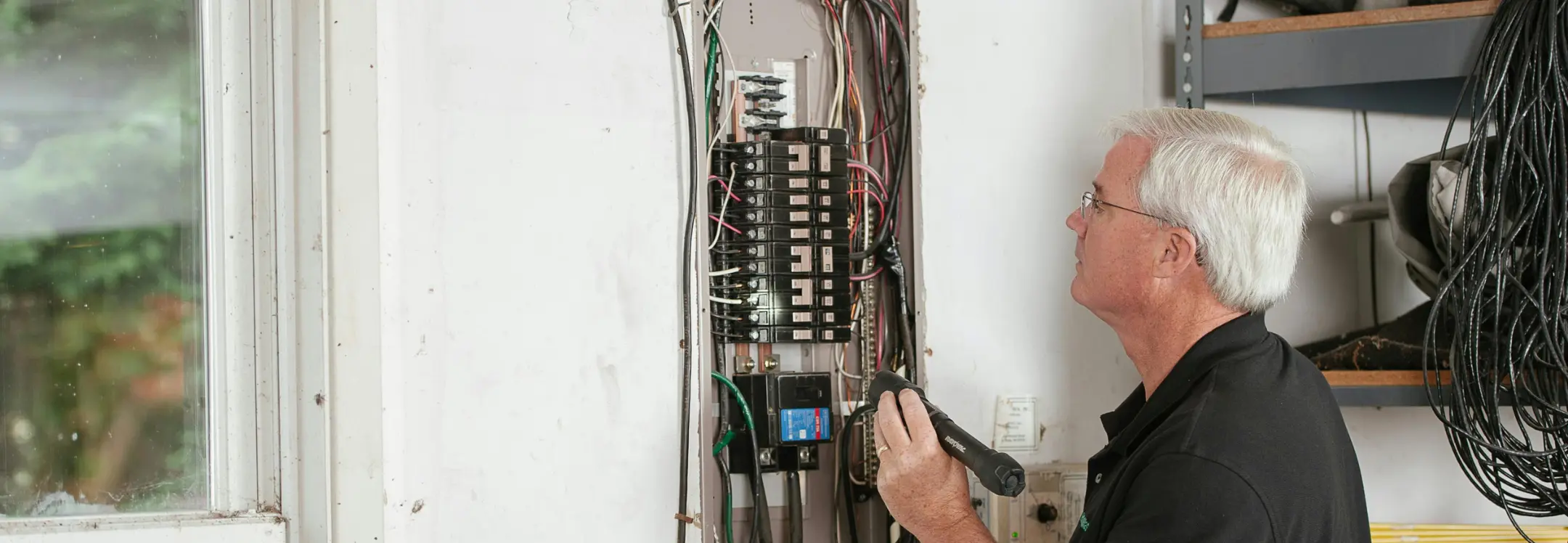
Electrical systems require verification of functioning outlets, light fixtures, and switches throughout the property. Look for exposed wiring, overloaded circuits, outdated panel boxes, flickering lights, or other signs of electrical problems creating fire hazards or safety risks.
Fixtures and Appliances
Kitchen and bathroom fixtures including sinks, cabinets, countertops, and built-in storage should be checked for proper installation, functionality, cleanliness, and damage. Leaking faucets waste water while damaged cabinets indicate poor maintenance or excessive wear.
Appliances provided with rental properties require functionality testing including refrigerators, stoves, dishwashers, washers, dryers, HVAC systems, and any other equipment included in lease agreements. Document model numbers, conditions, and operational status to establish baseline expectations.
Safety and Compliance
Safety equipment including smoke detectors, carbon monoxide alarms, fire extinguishers, and emergency lighting must be present, properly installed, and functional. Test alarms to verify battery power and operational capability while checking expiration dates on fire extinguishers.
Building code compliance involves verifying handrails on stairs, proper emergency exit access, adequate ventilation in bathrooms and kitchens, and other safety requirements mandated by local regulations. Non-compliance creates liability risks and potential fines from code enforcement authorities.
Pest and Mold Checks
Pest indicators include droppings, nests, damage to wood or insulation, unusual odors, or visible infestations requiring professional treatment. Common problem pests include rodents, cockroaches, termites, and bed bugs that pose health risks while causing property damage.
Mold and moisture problems appear as dark patches on walls or ceilings, musty odors in bathrooms or basements, visible water damage, or condensation issues. Mold creates serious health hazards while indicating underlying moisture problems requiring immediate attention and remediation.
Red Flags That Shouldn't Be Ignored
Certain inspection findings demand immediate attention due to safety risks, expensive repair requirements, or potential for rapid deterioration creating even larger problems if left unaddressed.
Structural issues including large cracks in foundations or load-bearing walls, severely uneven floors suggesting foundation settlement, sagging rooflines, or bowing basement walls indicate serious problems requiring professional structural engineering evaluation and potentially extensive repairs.
Persistent dampness or mold suggests ongoing moisture intrusion from roof leaks, plumbing failures, poor drainage, or inadequate ventilation. These conditions create health hazards while promoting wood rot and structural deterioration that accelerates if moisture sources are not eliminated.
Electrical hazards including outdated wiring systems, damaged electrical panels, exposed wires, frequent circuit breaker trips, or burning smells near outlets create serious fire risks requiring immediate professional electrical evaluation and correction.
Unusual odors may indicate hidden plumbing leaks, sewer line problems, pest infestations, mold growth, or other concealed issues requiring investigation. Strong musty smells suggest moisture problems while chemical odors could indicate hazardous materials or improper storage.
Missing documentation for major repairs, renovations, or safety system installations raises concerns about whether work was properly permitted and inspected. Unpermitted alterations create liability issues while potentially voiding insurance coverage or complicating future property sales.
Tips for Conducting a Thorough Inspection
Schedule inspections during daylight hours when natural lighting reveals conditions more clearly than artificial illumination. Morning or early afternoon timing provides optimal visibility for detecting subtle issues like small cracks, water stains, or color variations indicating problems.
Document everything with photos or videos showing overall room conditions, specific defects, and close-up details of damage or concerns. Timestamped visual evidence provides invaluable documentation supporting written inspection reports while preventing disputes about conditions at specific times.
Bring printed checklists covering all inspection areas to ensure systematic coverage without overlooking important elements. Checking off items as you proceed maintains organization while preventing the need for return visits to verify forgotten areas.
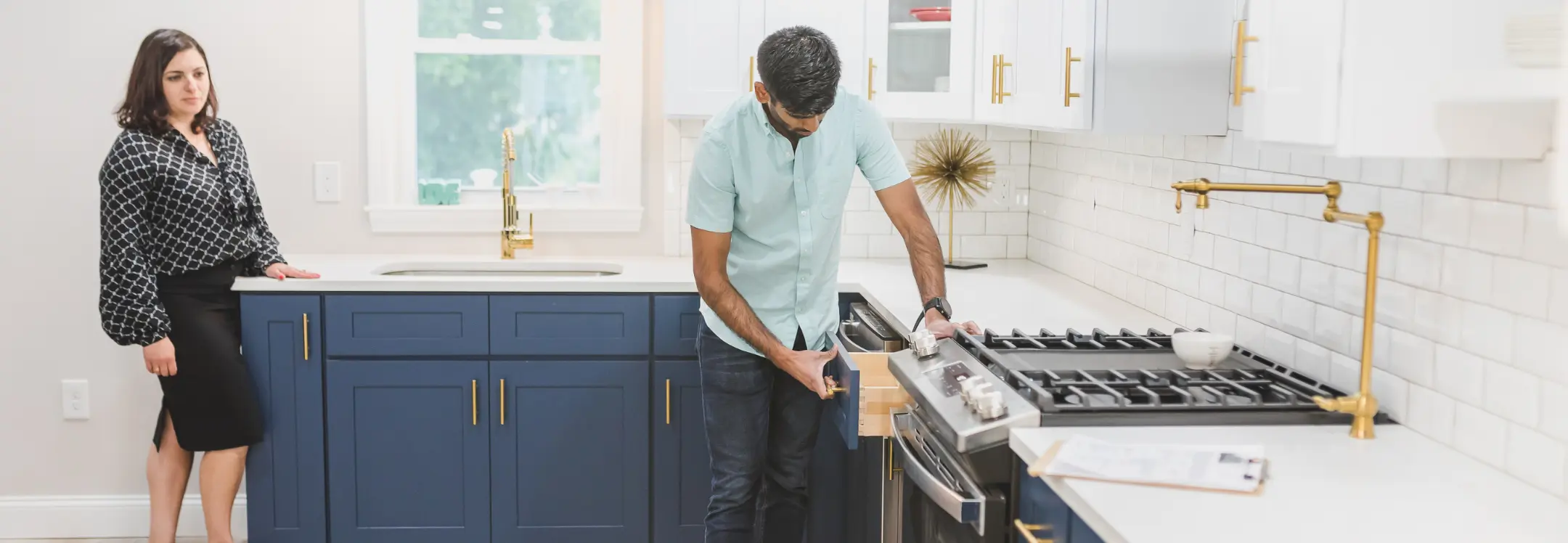
Conduct joint inspections with both landlords and tenants present whenever possible to ensure agreement on documented conditions, discuss concerns immediately, and answer questions about property features or maintenance responsibilities. Mutual participation reduces misunderstandings while building trust.
Sign and date completed reports with all parties providing written acknowledgment of documented conditions. Signatures create legally recognized records proving what conditions existed at specific times while establishing accountability for future condition changes.
Simplify the Process with Ziji Legal Forms
Creating professional property inspection documentation becomes simple and efficient using properly structured templates that ensure comprehensive coverage while maintaining legal validity and organizational clarity.
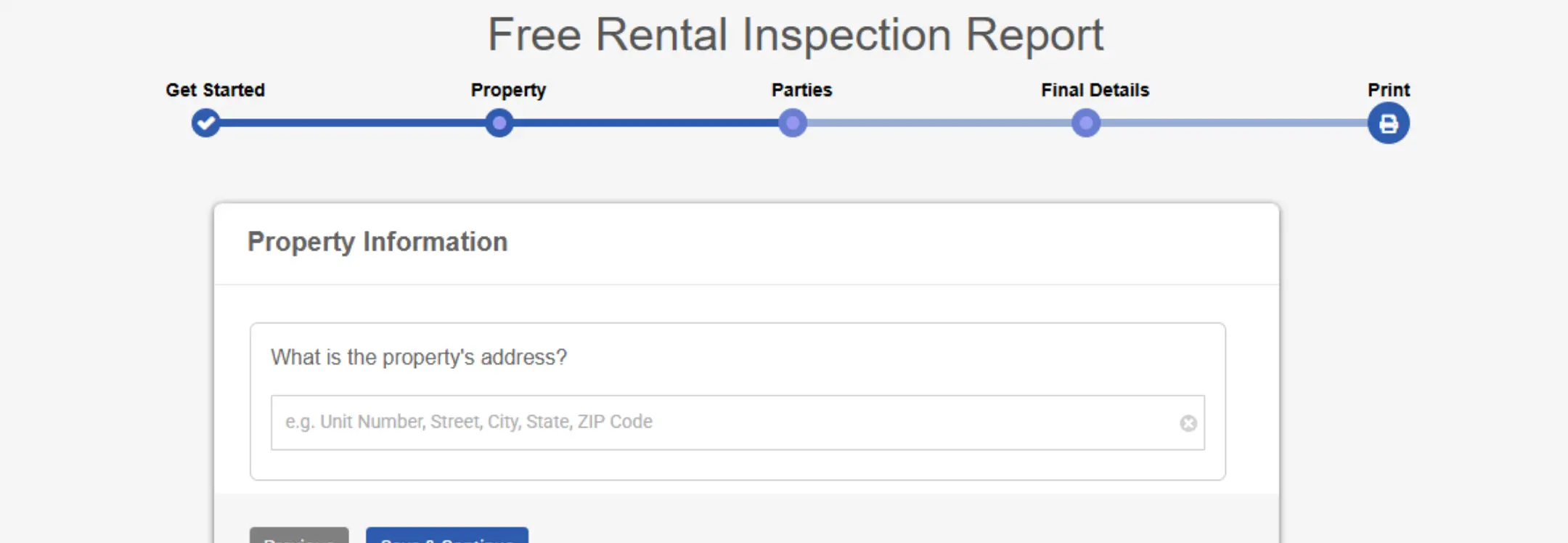
1. Choose template
Access Ziji Legal Forms' Real Estate section and select the Property Inspection Report Template designed for comprehensive rental property documentation with pre-formatted checklists covering all essential areas.
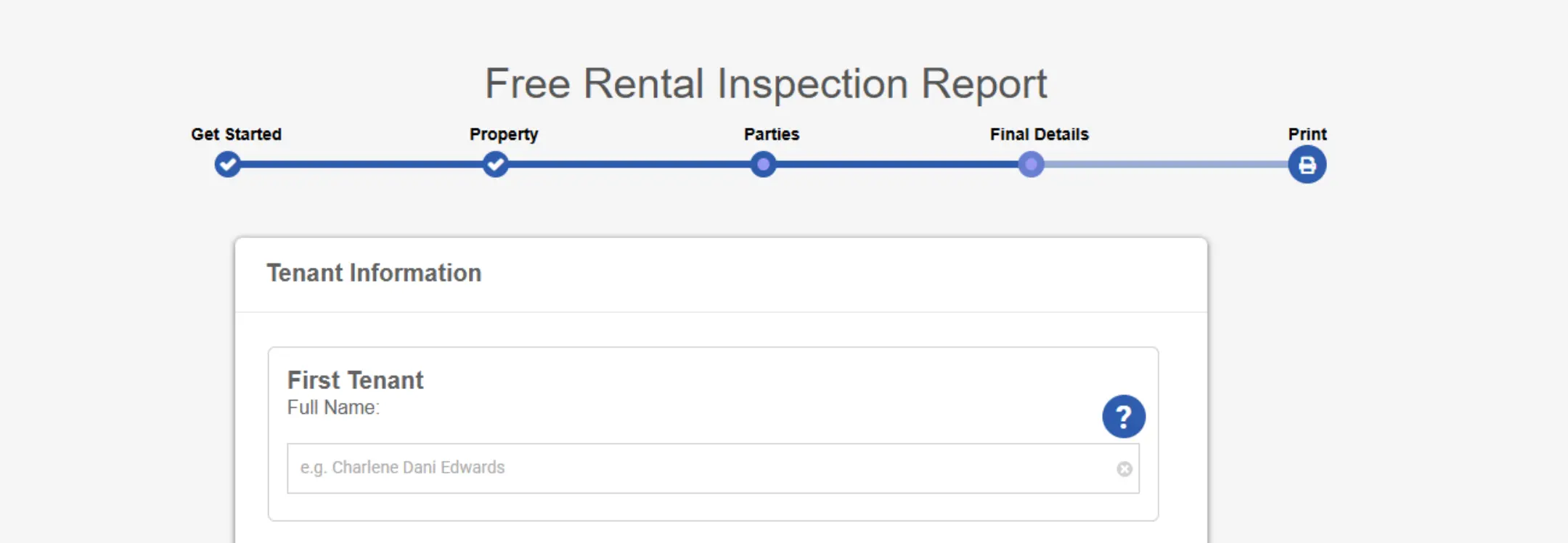
2. Add Property Details
Enter complete property address, unit number, inspection date, and property type to establish clear identification and timing for all documented conditions and observations.
3. Add Party Details
Include names, contact information, and roles of landlords, tenants, property managers, and inspection personnel to identify all parties involved in the inspection process and report acknowledgment.
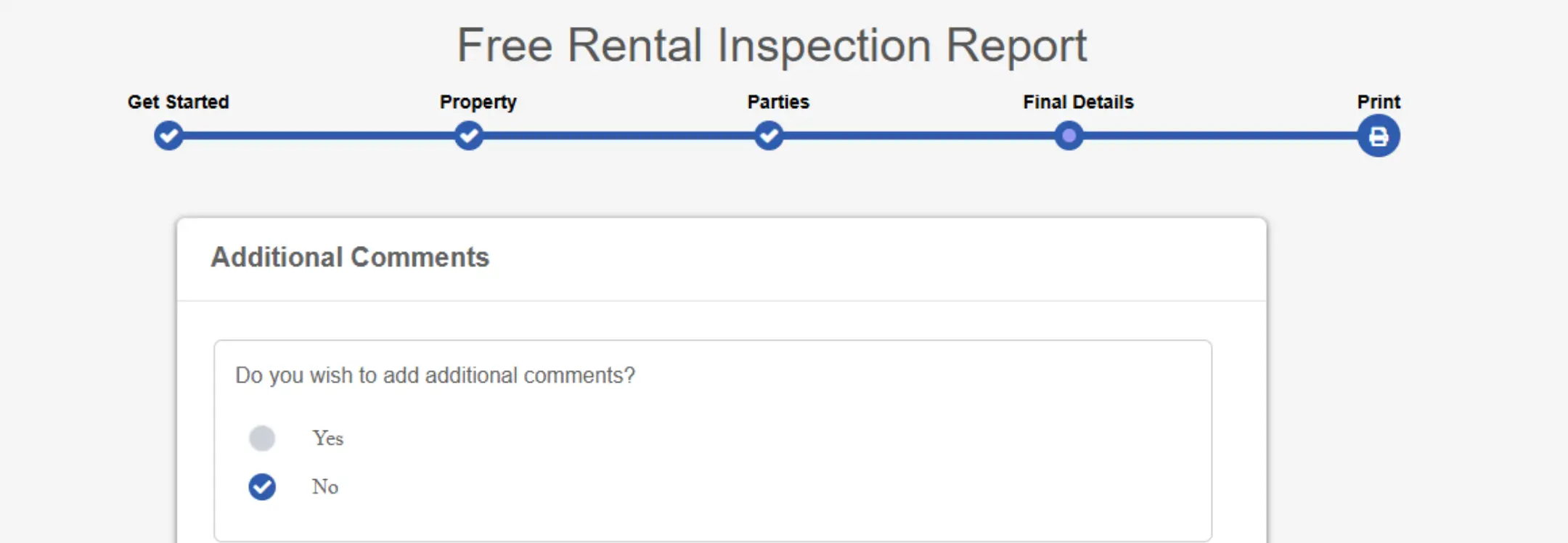
4. Add Final Details
Complete room-by-room condition assessments using standardized rating systems, attach supporting photographs or videos, note any safety concerns or required repairs, and include relevant maintenance recommendations.
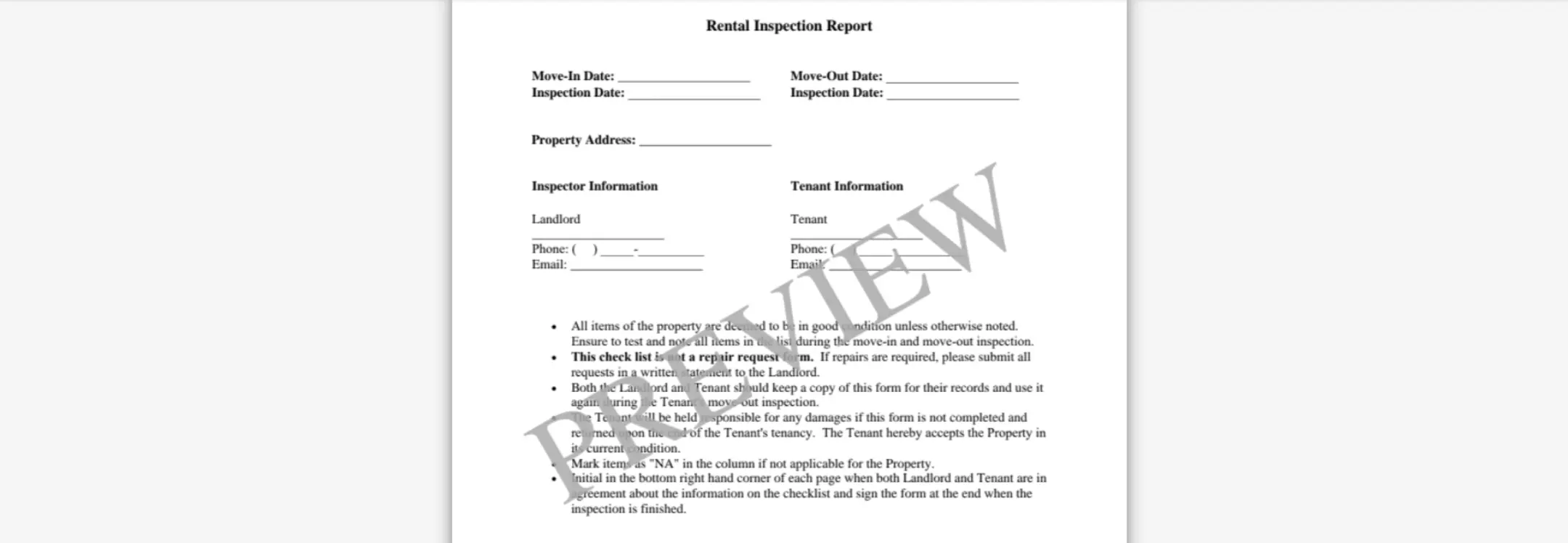
5. Preview and print
Review the comprehensive completed report for accuracy and completeness, then download in PDF format for digital storage and sharing or print copies for physical signature collection and traditional filing.
Conclusion
Thorough property inspections using comprehensive checklists protect everyone involved in rental relationships while ensuring safe, well-maintained living environments. Ziji Legal Forms' professional templates make documentation easy, consistent, and legally sound for all your property inspection needs.
Rental Inspection Report FAQs
1. What is a Rental Inspection Checklist?
A Rental Inspection Checklist is a document used to record the condition of a rental property before a tenant moves in and after they move out.
2. Why do I need a Rental Inspection Checklist?
It helps landlords and tenants document the property's condition, reducing disputes over damage and security deposit deductions.
3. Can the same checklist be used for move-in and move-out inspections?
Yes. Using the same checklist for both inspections makes it easy to compare the property's condition at the beginning and end of the tenancy.
4. What should a Rental Inspection Checklist include?
It should cover every room, appliance, fixture, and exterior feature, along with notes about their condition.
5. Should I take photos during the inspection?
Yes. Photos provide additional evidence of the property's condition and can help resolve disputes if they arise.
6. Which jurisdictions can use the Ziji Legal Forms Rental Inspection Checklist?
The Ziji Legal Forms Rental Inspection Checklist is applicable in all jurisdictions across the United States.
Author
Mandar Sonavane
|
Legal Content Writer at Ziji Legal Forms Inc.
Symbiosis International University
Mandar is a legal content writer specializing in the development of clear, practical, and easy-to-understand legal resources. With a strong focus on legal research, content creation, and plain-language writing, he works closely with our legal professionals to ensure that legal documents and educational materials are accurate, accessible, and user-friendly. At Ziji Legal Forms Inc., Mandar is responsible for researching legal topics, drafting and reviewing content, and helping transform complex legal concepts into straightforward guidance that empowers individuals and businesses to confidently navigate their legal needs.
Reviewed By
Histon Shek
|
General Counsel and Co-Founder at Ziji Legal Forms Inc.
University of Alberta
Histon Shek was called to the Alberta Bar in 2006. He holds a BA in Sociology and Philosophy and an LLB from the University of Alberta. As co-founder of Ziji Legal Forms Inc., he focuses on making legal documents accessible and affordable, overseeing legal integrity and content development.


 United States
 Canada