A rental inspection report is a straightforward yet vital document that promotes accountability and fairness in rental relationships. It acts as a written record detailing the property’s condition before the tenant moves in and again after they move out. Both parties benefit from this structured documentation because it eliminates assumptions and clarifies maintenance obligations.
For landlords, this report provides evidence needed to assess damages or justify deposit deductions fairly. For tenants, it guarantees they won’t be charged for pre-existing defects or hidden issues. When both sides have accurate, dated records, the rental process becomes transparent, professional, and dispute-free.
The value of a rental inspection report goes beyond record-keeping. It contributes to better property management, strengthens compliance with tenancy laws, and fosters trust between landlords and tenants.
Why a Rental Inspection Report Matters
Preventing Disputes
Disputes over damages are common at the end of rental agreements. A proper inspection report allows comparisons between move-in and move-out conditions, verifying who is responsible for specific issues. This level of clarity prevents unnecessary conflicts and helps maintain fairness in resolving disputes.
Legal and Financial Protection
A detailed inspection report offers legal protection to both parties in case disagreements escalate into formal complaints or small claims proceedings. Photographs, signatures, and thorough notes serve as evidence that can support your case in court if needed.
Promoting Maintenance and Accountability
Routine inspections ensure issues are identified early. For instance, detecting small leaks or electrical problems promptly prevents expensive repairs later. When tenants know inspections are documented, they’re more likely to take proper care of the property, ensuring mutual accountability.
When to Use a Rental Inspection Report
A rental inspection report is not limited to move-in or move-out events. It plays an essential role at multiple stages throughout a tenancy.
Before Move-In
The initial inspection establishes a clear baseline for property condition. It lists existing wear, fixtures, and any items that require attention. Tenants can compare the same details during move-out, creating transparency.
During the Tenancy
Routine or mid-term inspections help landlords identify potential hazards, leaks, or code compliance issues. These check-ins also reassure tenants that landlords are actively maintaining the property’s safety and livability.
Before Move-Out
An inspection at the end of tenancy compares the current state of the property with the move-in record. It helps calculate fair deductions for damage beyond normal wear and tear while protecting both sides from misunderstandings.
After Maintenance or Renovation
If repairs or updates are performed, an updated inspection documents these changes. This ensures all improvements and property upgrades are acknowledged and provides updated starting points for future tenants.
What to Include in a Rental Inspection Report
A rental inspection report must capture the property’s condition in a structured and verifiable format.
Property Details
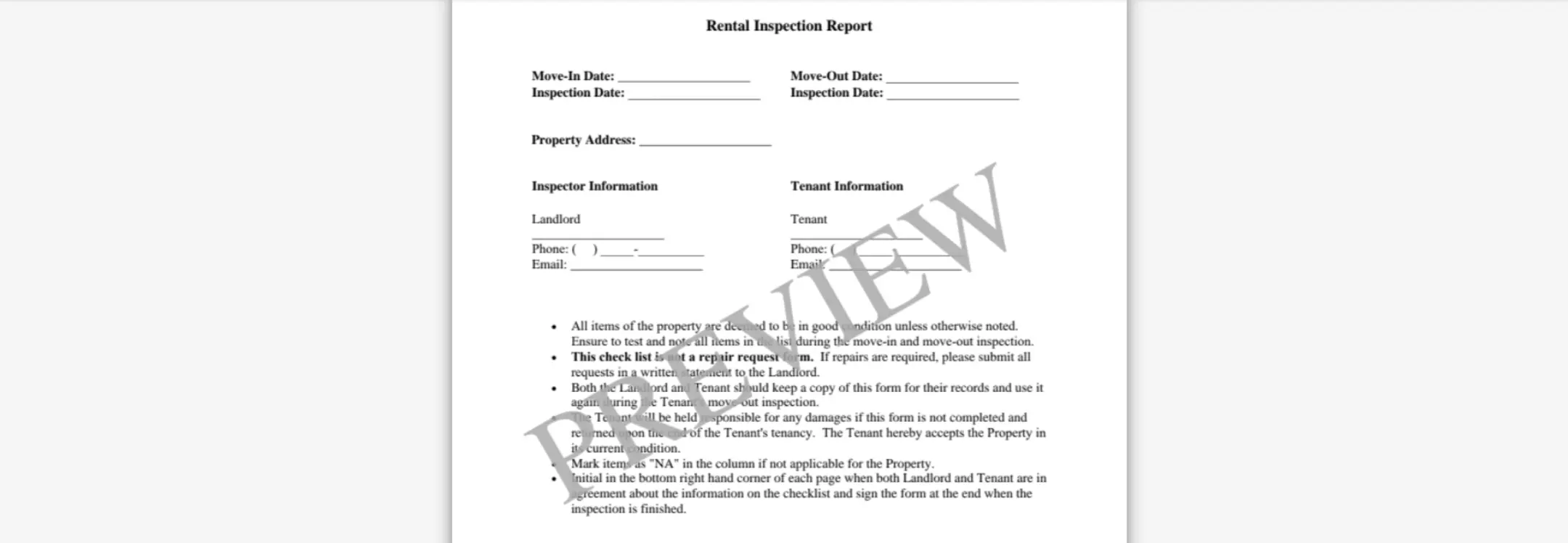
Each report begins with essentials like the property’s address, unit number, inspection date, and names of landlord, tenant, and inspector. These details ensure traceability.
Room-by-Room Checklist
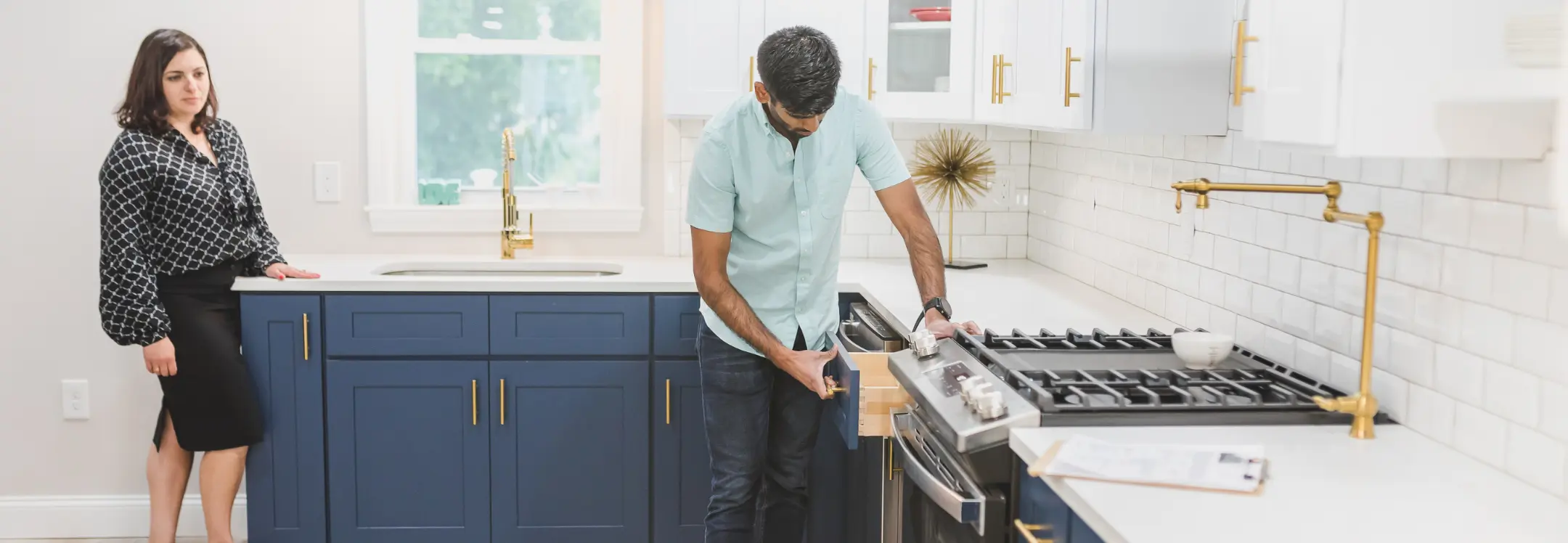
Inspect each area, recording visible conditions and operational features. Include:
Walls, floors, ceilings, and paint condition
Doors, windows, locks, and handles
Appliances, fixtures, and plumbing
Electrical outlets, lighting, and ventilation systems
Safety equipment such as smoke detectors, carbon monoxide alarms, and fire extinguishers
A detailed checklist ensures nothing is overlooked during inspection.
Using consistent categories like Excellent, Good, Fair, or Needs Repair allows anyone reviewing the document to instantly understand the property’s state.
Photo Attachments
Supporting photos or videos taken during inspection provide visual evidence. Timestamped images complement written notes and prevent future disputes over damage claims.
Signatures and Acknowledgment
Landlords and tenants should sign and date the report together. This joint acknowledgment finalizes the document as a mutually accepted record of property condition.
Benefits for Landlords and Tenants
For Landlords
Protects against false damage claims and ensures fair deposit deductions
Documents repairs and maintenance efforts, aiding property management
Enhances trust with tenants through open communication
For Tenants
Prevents being blamed for pre-existing damage or normal wear
Adds legal weight to their claim for a full security deposit refund
Encourages timely maintenance by landlords through clearly recorded issues
Common Mistakes to Avoid in Rental Inspections
While inspections may seem straightforward, oversight can lead to unexpected problems later.
Skipping the Joint Review
Conducting an inspection alone undermines transparency. Both landlord and tenant should be present to confirm observations. Joint reviews encourage collaboration and trust.
Forgetting Signatures or Dates
Unsigned inspection reports lose legal credibility. Always include names, dates, and signatures from both parties to confirm authenticity.
Ignoring Photographic Evidence
Written notes may be disputed, but timestamped photos provide irrefutable proof. It’s best practice to attach visuals to every report for accuracy and protection.
Overlooking Minor Damage
Small cosmetic issues like marks or loose fittings can worsen over time. Recording these early ensures accountability for repairs and prevents confusion later.
How to Create a Rental Inspection Report with Ziji Legal Forms
Ziji Legal Forms has made the creation of a rental inspection report simple, structured, and fully compliant with U.S. real estate practices. The process ensures legal consistency and documentation accuracy across all property types.
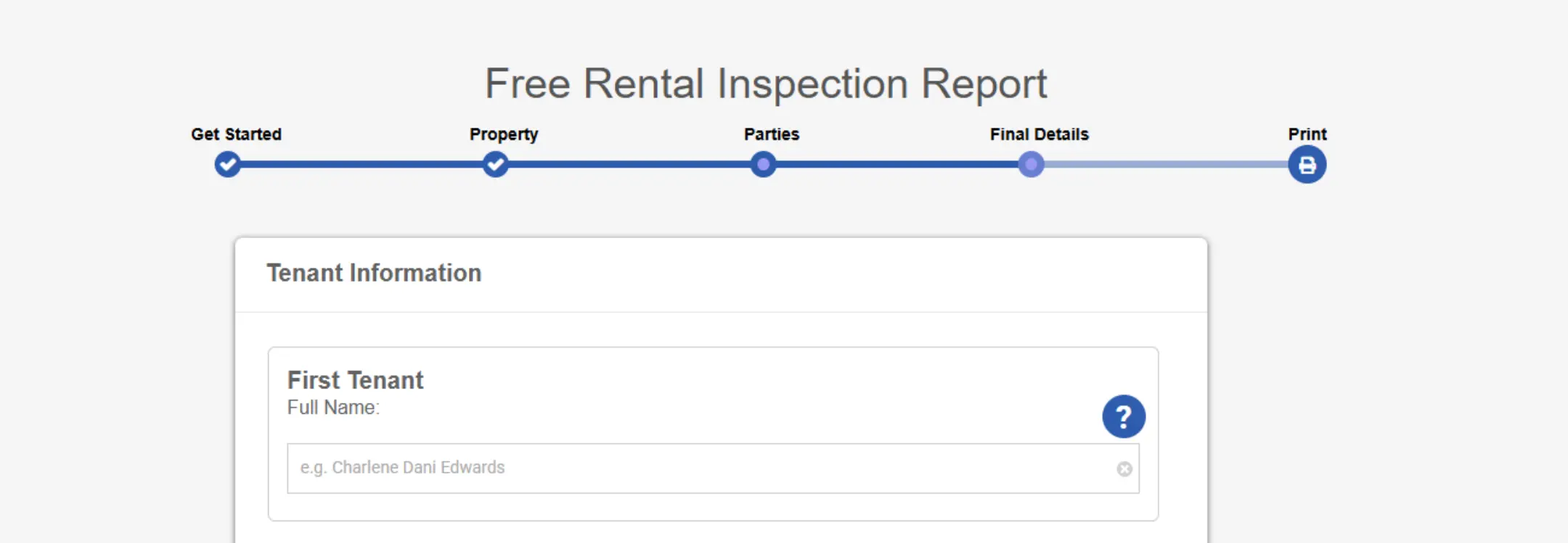
1. Choose template - Log in to Ziji Legal Forms, navigate to the Real Estate section, and select the Rental Inspection Report Template suited for landlords or property managers.
2. Add Property Details - Enter the property address, unit number, and inspection date to create a clear record of identification and timing.
3. Add Details of respective parties - Input landlord, tenant, and any inspection representative information, ensuring each party is correctly listed for documentation.
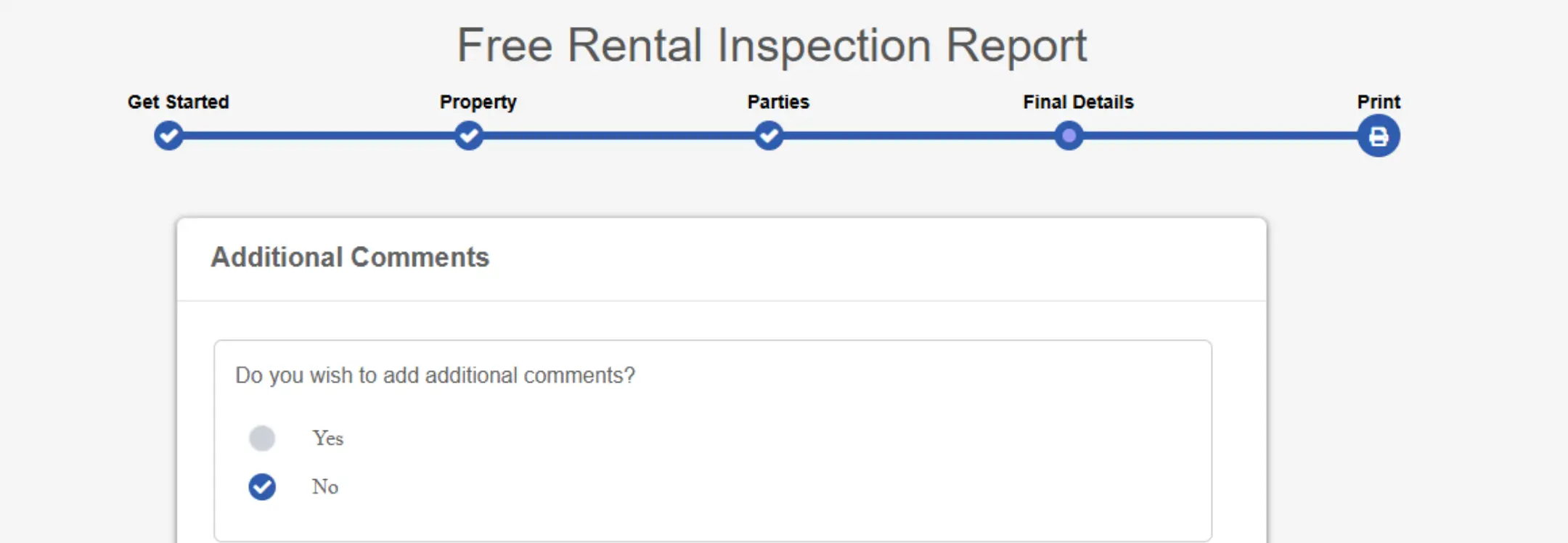
4. Add final details - Enter room conditions, attach photos, and include notes on maintenance needs or observations for accuracy.
5. Preview and print - Review the fully completed form, verify all information, and download or print it for signatures or secure digital storage.
Using Ziji Legal Forms eliminates guesswork. Every template follows a systematic layout that complies with legal standards, providing easy-to-read fields for essential data without requiring specialized legal knowledge.
The Legal Importance of Complete Documentation
Comprehensive inspection reports act as vital legal evidence that can protect both landlord and tenant rights in court or mediation. If a dispute arises over damage, incomplete records or missing signatures can seriously compromise one’s position.
This documentation also serves as proof of compliance with housing standards, showing that both parties took steps to maintain a safe living environment. For landlords overseeing multiple properties, keeping detailed digital reports helps streamline compliance tracking and record retention.
Moving Toward Digital Inspection Reports
Modern property management increasingly relies on online rental inspection reports. These digital tools reduce errors, improve accessibility, and store photos alongside written notes.
By using digital templates like those from Ziji Legal Forms, landlords and tenants can instantly create, sign, and share reports without needing physical paperwork. Cloud storage ensures documents are easily retrievable for future reference or dispute resolution. For landlords handling multiple properties, digital templates keep all inspections organized in one secure system.
Best Practices for Efficient Inspections
To make inspections effective, both landlords and tenants should communicate clearly, maintain consistency, and focus on thoroughness rather than speed.
Schedule Inspections in Advance
Always give reasonable notice to tenants before visits. Mutual coordination demonstrates professionalism and respects tenant rights.
Conduct Joint Walk-Throughs
Both parties should record observations together. This minimizes disagreements and supports fairness in assessment.
Keep Historical Records
Maintain all inspection reports for the duration of tenancy agreements. These documents can be referenced for ongoing maintenance or inquiries regarding prior issues.
Use Clear Condition Ratings
Objective rating systems simplify comparisons between inspections. Consistent assessment criteria create transparency.
Address Identified Issues Promptly
When issues are found, immediate action ensures small repairs don’t evolve into larger damages. This proactive approach benefits both sides financially and legally.
The Financial Impact of Proper Inspections
Detailed inspection records often prevent unnecessary financial losses. For landlords, they justify security deposit deductions with clear written and photographic proof. For tenants, they prevent deductions based on misinformation or oversight, ensuring fair refund processes.
In some cases, proactive inspections can even increase property value by identifying areas for improvement before they become costly issues. Well-documented inspections also help maintain compliance with housing laws, avoiding fines or legal penalties for unreported maintenance problems.
Why Choose Ziji Legal Forms for Rental Inspection Reports
Ziji Legal Forms templates are developed to provide landlords and tenants with reliable, legally compliant documentation tools that require minimal customization. Each template includes structured sections like property details, condition checklists, and space for attachments or digital photos.
The platform’s easy-to-follow guide makes it suitable for anyone, from small property owners to large management companies. It supports both paper-based and online report creation, ensuring accessibility for users across various levels of technical proficiency.
Unlike generic templates, Ziji Legal Forms documents follow federal housing and consumer protection standards, ensuring that completed reports remain valid across all jurisdictions in the U.S.
Conclusion: Maintain Fairness and Peace of Mind
A well-prepared rental inspection report creates trust, prevents financial disputes, and ensures transparency between landlords and tenants. With tools like Ziji Legal Forms, generating a professional report takes only minutes while maintaining full legal validity.
Whether you’re managing multiple properties or renting a single unit, consistent documentation with accurate records ensures every inspection is ethical, efficient, and defensible under law.
Rental Inspection Report FAQs
What is a Rental Inspection Report/Checklist?
A Rental Inspection Report or Property Inspection Checklist is a document used by landlords or property managers to assess and record the condition of a rental property before a tenant moves in and after the tenant moves out. This checklist ensures both parties agree on the property’s physical condition, reducing the likelihood of disputes over security deposits or damage claims when the lease ends. It helps record the condition of every aspect of the rental property, including appliances and fixtures. Any damage, except for normal wear and tear, may be deducted from the tenant’s security deposit, ensuring transparency and accountability for both landlord and tenant.
Why do I need a Rental Inspection Checklist?
A rental inspection checklist protects both landlords and tenants by providing a detailed, written record of the property’s condition. It helps prevent disagreements about property damage, repair responsibilities, and security deposit deductions at the end of the lease. By using a rental property condition checklist, landlords can ensure their property is well-documented, and tenants can ensure fair treatment when it comes to assessing the property’s condition.
How do I use a Rental Inspection Report?
To use a rental inspection report, conduct a thorough walkthrough of the rental property with your tenant before they move in. Document the condition of each room, including walls, flooring, appliances, and fixtures. When the tenant moves out, conduct another inspection and compare the reports to identify any damage or necessary repairs. Using this process ensures both landlords and tenants are on the same page about the property’s condition and reduces the risk of disputes.
What should be included in a Rental Property Inspection Checklist?
Essentially, all appliances and fixtures that are in or on your rental property should be inspected both before the tenant moves in and after they move out. This includes major areas like kitchen appliances, light fixtures, plumbing, heating, cooling systems, and exterior items such as patios and fencing. Each inspection helps document the condition, providing a clear record for any necessary damage claims or security deposit disputes.
Can a Rental Inspection Checklist be used for move-in and move-out inspections?
Yes, a Rental Inspection Checklist is designed to be used for both move-in and move-out inspections. By conducting both inspections, you can track any changes or damage that occurred during the tenant's stay. It also helps in maintaining the condition of the property and ensuring that the security deposit is only used for necessary repairs beyond normal wear and tear.
Is a Rental Inspection Checklist legally required?
While a rental inspection checklist may not be legally required in all locations, it is highly recommended for both landlords and tenants. It creates a formal record of the property’s condition, which can be used in court if disputes arise over damage claims or security deposit deductions. Many landlords and property managers use rental property checklists to ensure they have the necessary documentation to support any claims they make.
How often should I conduct a rental property inspection?
In addition to the move-in and move-out inspections, some landlords conduct regular rental property inspections during the lease term to ensure their property is being properly maintained. These periodic inspections can be scheduled quarterly or annually, depending on your rental agreement. Conducting regular inspections helps keep the property in good shape and may help prevent more significant damage down the road.
Can I customize the Rental Inspection Checklist?
Yes, our DIY Rental Inspection Checklist is fully customizable. You can modify it to fit your specific property’s features. This means you can add or remove sections based on the unique elements of your property, whether it's a single-family home, apartment, or commercial rental unit. Having a flexible property condition checklist allows you to focus on areas that matter most.
Who should use a Rental Inspection Checklist?
Both landlords and tenants can benefit from using a rental inspection checklist. For landlords, it provides a documented record of the property’s condition, helping to avoid disputes over damage or repairs. For tenants, it ensures they won’t be held responsible for pre-existing issues. Using a rental property inspection form protects both parties and creates transparency during the lease period.
How does a Rental Inspection Checklist help with security deposits?
A Rental Inspection Checklist ensures that there is a clear, documented record of the property’s condition at the start and end of a lease. This allows landlords to fairly assess any damage beyond normal wear and tear and deduct only necessary repair costs from the tenant’s security deposit. Tenants also benefit by ensuring they are not charged for damages they didn’t cause.
Can tenants request changes to the Rental Inspection Report?
Yes, tenants should review the inspection report carefully and can request corrections or add notes if they disagree with any findings. It’s important both landlord and tenant agree on the condition to avoid disputes later.
What should I do if damage is found during the move-out inspection?
If damage beyond normal wear and tear is identified, the landlord should document it thoroughly with photos and detailed notes. The landlord may then deduct repair costs from the tenant’s security deposit, providing an itemized list to the tenant as required by local laws.
Are photos or videos necessary during the inspection?
While not always mandatory, taking photos or videos during inspections is strongly recommended. Visual records provide clear, unbiased evidence of the property’s condition and can be crucial if there is a dispute about damage or repairs.
How soon after move-in or move-out should the inspection be completed?
Move-in inspections should ideally be done before the tenant takes possession, and move-out inspections should be completed promptly after the tenant vacates. Prompt inspections ensure the condition is accurately documented while it’s fresh and before any repairs or cleaning take place.
Can the Rental Inspection Checklist be used for furnished properties?
Yes, the checklist can be adapted for furnished rentals by including sections to assess the condition of furniture and any additional items provided with the property. Documenting the state of furnishings helps protect both landlord and tenant during the lease term.
What jurisdictions can use our Rental Inspection Checklist?
You can use our template to create a legal and valid Rental Inspection Checklist for the following jurisdictions:


 United States
 Canada